Precision
Optimization.
Peptide Research, Comparison & Dosing — in one place.
Navigate the complex landscape of peptide research with clinical precision. Compare molecular structures, dosages, and peer-reviewed outcomes for BPC-157, Tirzepatide, TB-500, Ipamorelin, and more — in one curated interface.
Tip: paste any vendor product URL to instantly import that peptide into the library.
The Full Spectrum.
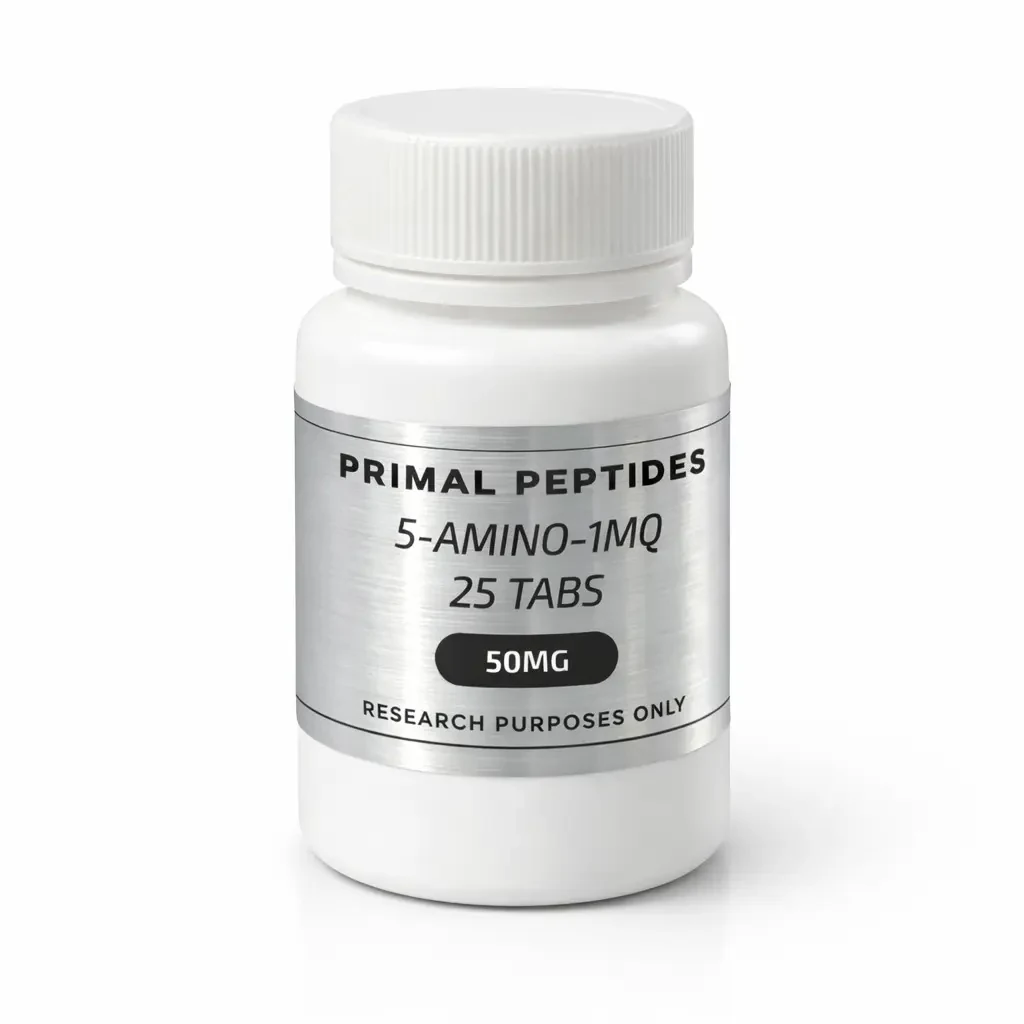
5-Amino-1MQ
5-Amino-1MQ functions primarily as an inhibitor of the enzyme nicotinamide-N-methyltransferase (NNMT). By inhibiting NNMT, it leads to an increase in intracellular levels of NAD+ (nicotinamide adenine dinucleotide), a critical coenzyme for cellular metabolism and mitochondrial energy production. Elevated NAD+ enhances mitochondrial function, promotes increased ATP production, and stimulates fat oxidation. This mechanism also improves insulin sensitivity and modulates energy homeostasis, contributing to fat loss and preservation of muscle mass during caloric restriction.
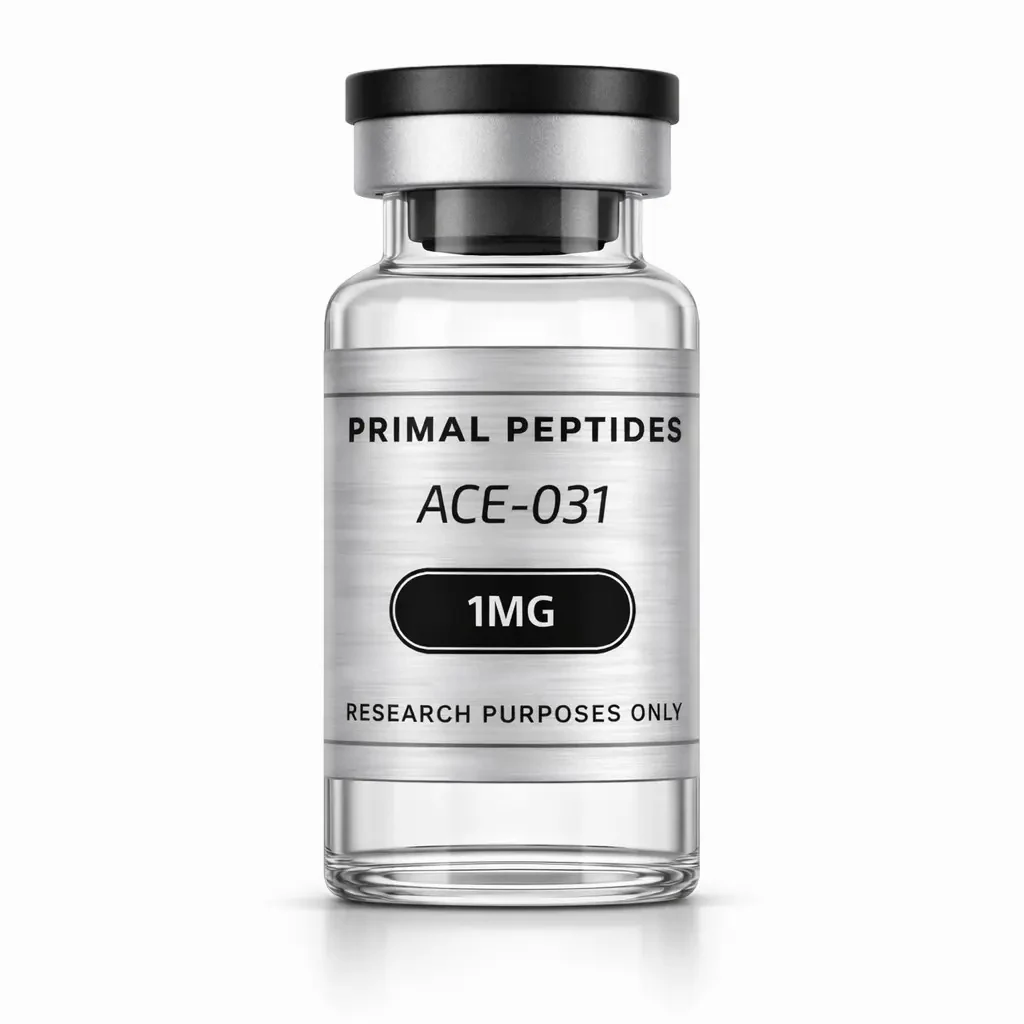
ACE-031
ACE-031 is a recombinant fusion protein that acts as a decoy receptor for myostatin, a negative regulator of muscle growth. By binding circulating myostatin, ACE-031 prevents it from interacting with its natural receptor ActRIIB, effectively inhibiting myostatin signaling pathways that suppress muscle mass development. This blockade promotes increased muscle growth, hypertrophy, and may also positively impact bone density.
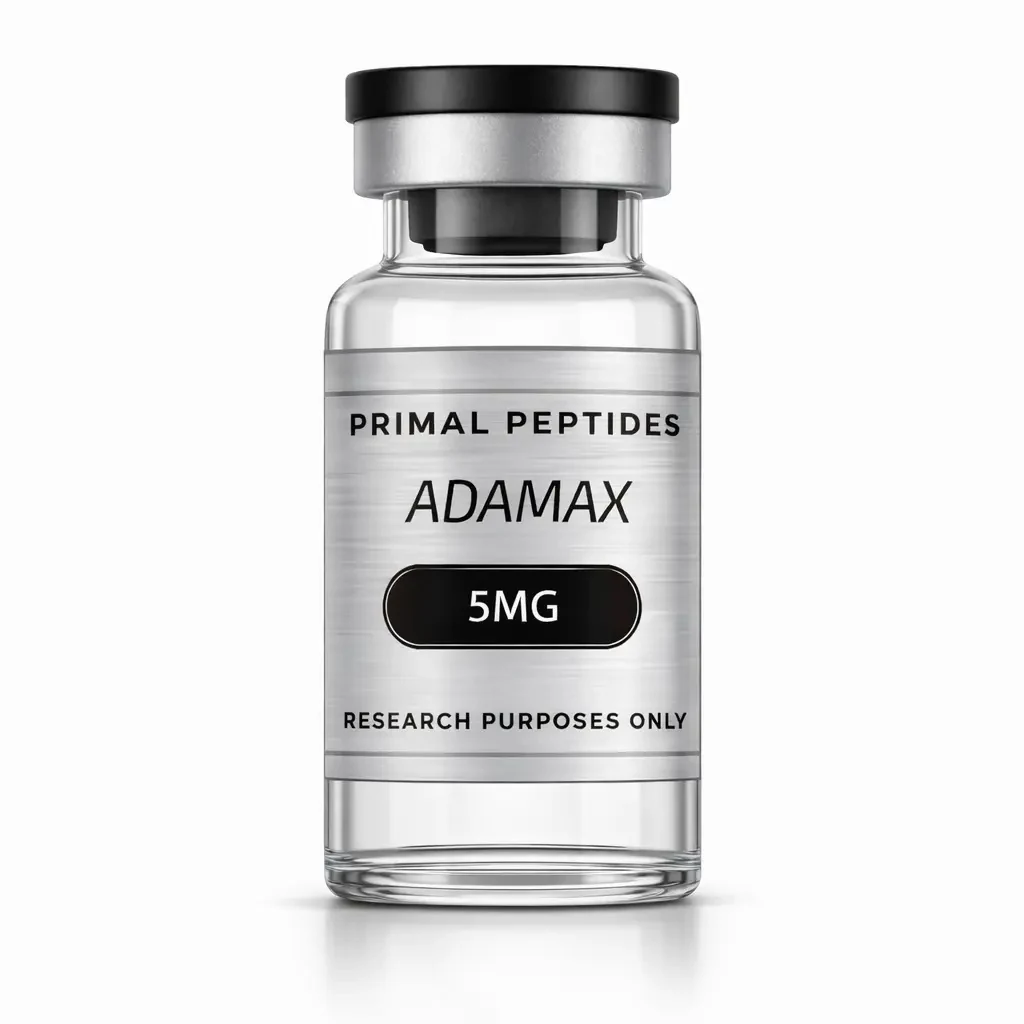
Adamax
Adamax is a modified synthetic peptide believed to influence neurotransmission and neural regulatory mechanisms. It modulates neurological homeostasis and neurotransmitter balance without directly stimulating the central nervous system. This modulation may enhance cognitive function, stress resilience, and neurological protection by affecting synaptic transmission pathways and neural circuit modulation.
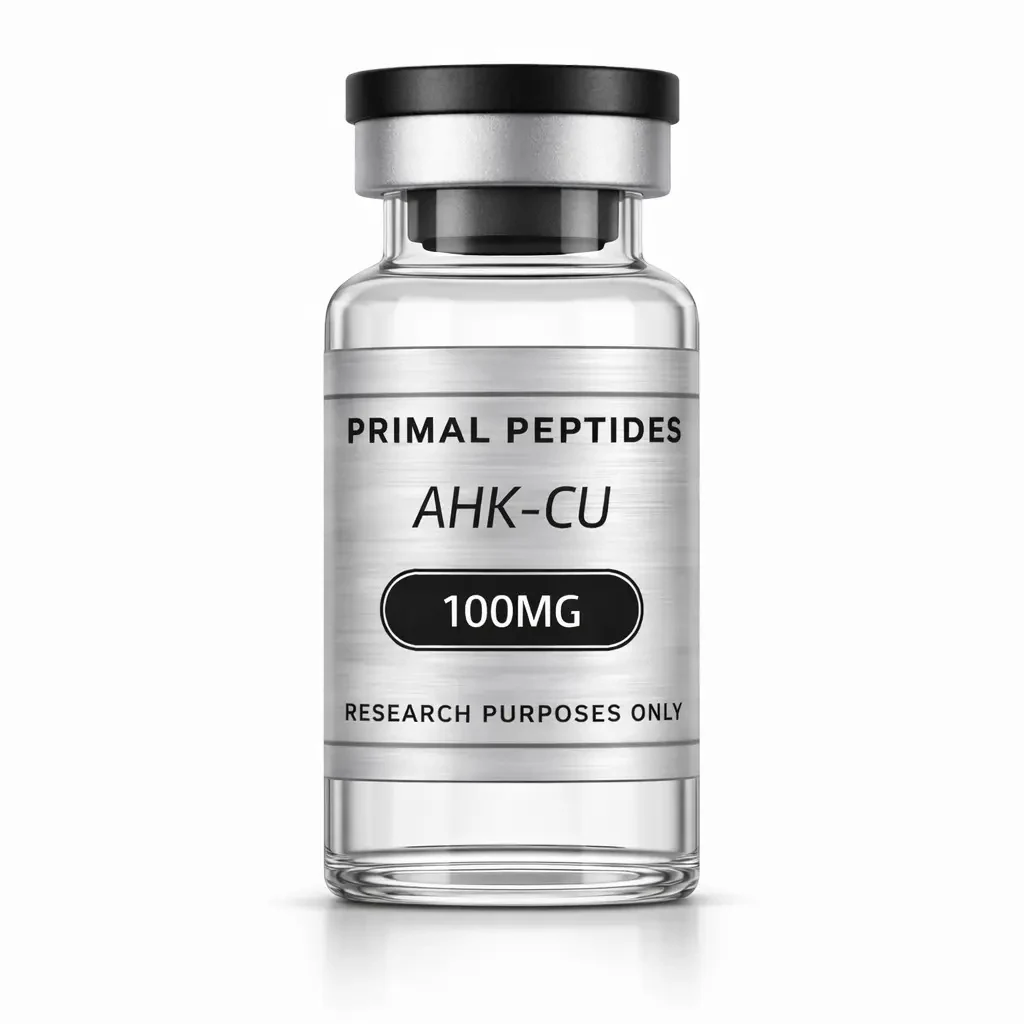
AHK-Cu
AHK-Cu functions by binding copper ions which facilitates cellular communication and skin repair processes. It activates gene expression pathways involved in collagen production, tissue regeneration, and hair follicle stimulation. The copper complex promotes antioxidant effects protecting dermal cells from oxidative stress, stimulates fibroblasts to increase extracellular matrix formation, and enhances hair follicle health by supporting hair root strength and growth.
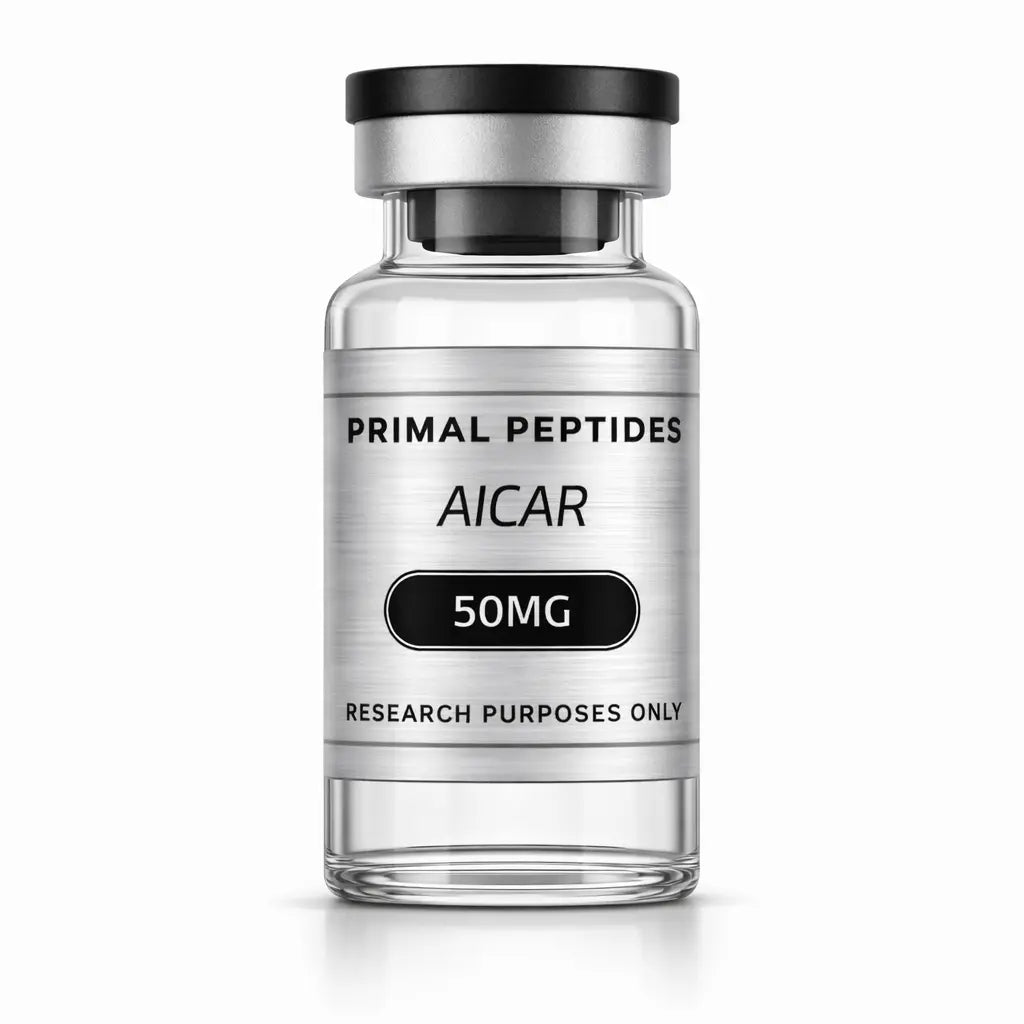
AICAR
AICAR is an AMP analog that activates AMP-activated protein kinase (AMPK), a key energy sensor in cells. Activation of AMPK leads to increased fatty acid oxidation, enhanced glucose uptake, inhibition of lipogenesis, and promotion of mitochondrial biogenesis. This activation mimics cellular effects similar to exercise by improving energy balance and metabolic function.
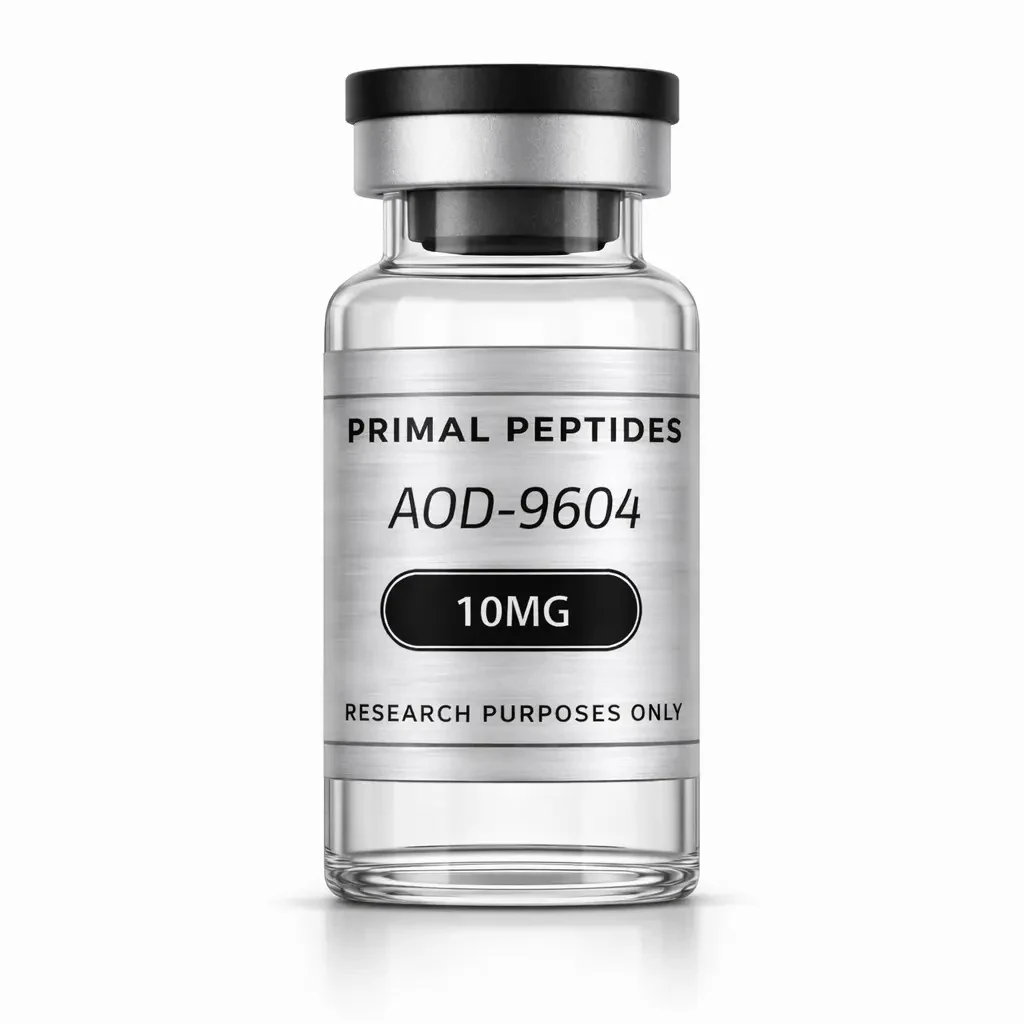
AOD-9604
AOD-9604 is a synthetic peptide fragment of the human growth hormone (hGH), specifically designed to mimic the lipolytic (fat burning) effects of hGH without the other endocrine effects. It activates AMP-activated protein kinase (AMPK) pathways involved in energy homeostasis and lipid metabolism, promoting fat oxidation and lipolysis in adipose tissue. Unlike full-length growth hormone, AOD-9604 does not stimulate insulin-like growth factor 1 (IGF-1), reducing the risk of growth-related side effects.
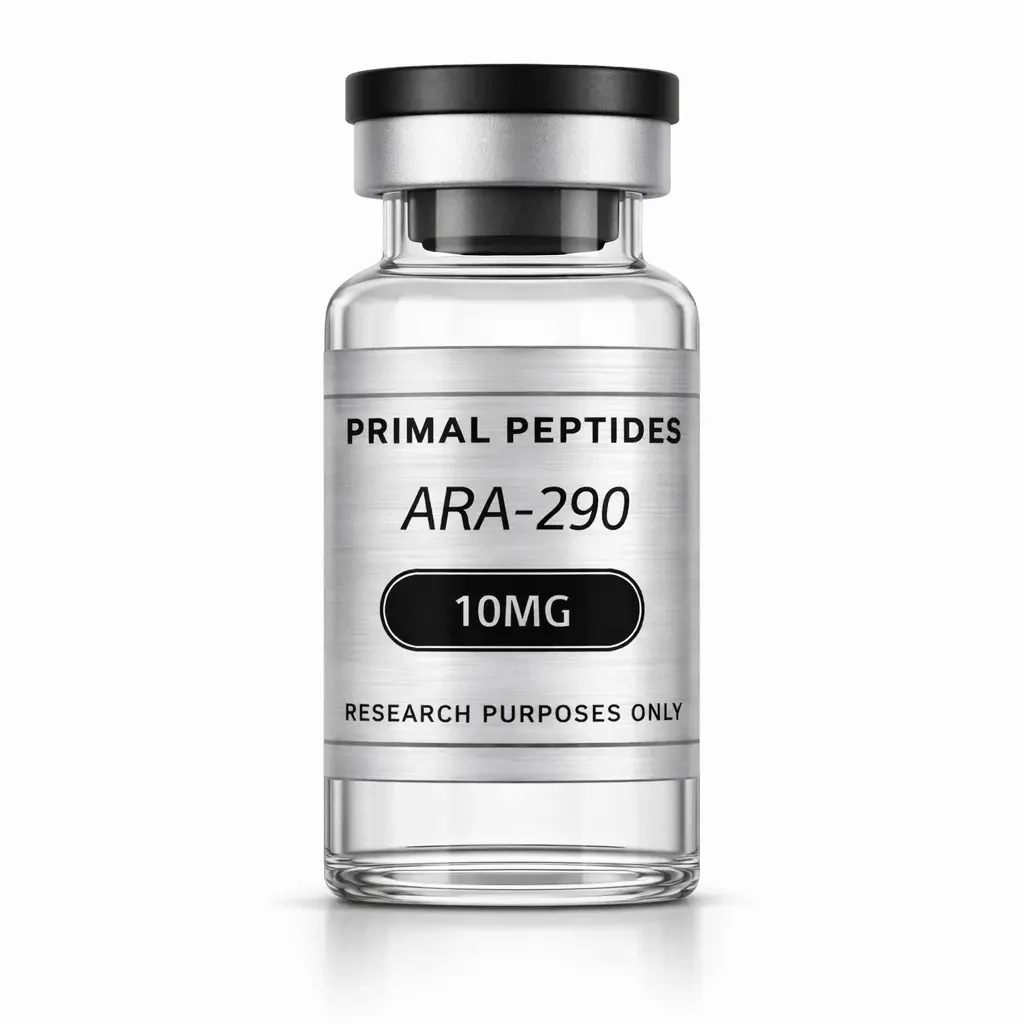
ARA-290
ARA-290 is a synthetic peptide derived from erythropoietin (EPO) that selectively binds to the EPOR-CD131 receptor complex, also known as the innate repair receptor. This receptor engagement activates tissue repair and anti-inflammatory pathways without triggering the hematopoietic (red blood cell production) effects associated with full EPO molecules. Through EPOR-CD131 activation, ARA-290 promotes nerve regeneration, reduces oxidative stress, and modulates inflammatory cascades to protect and repair damaged tissues.
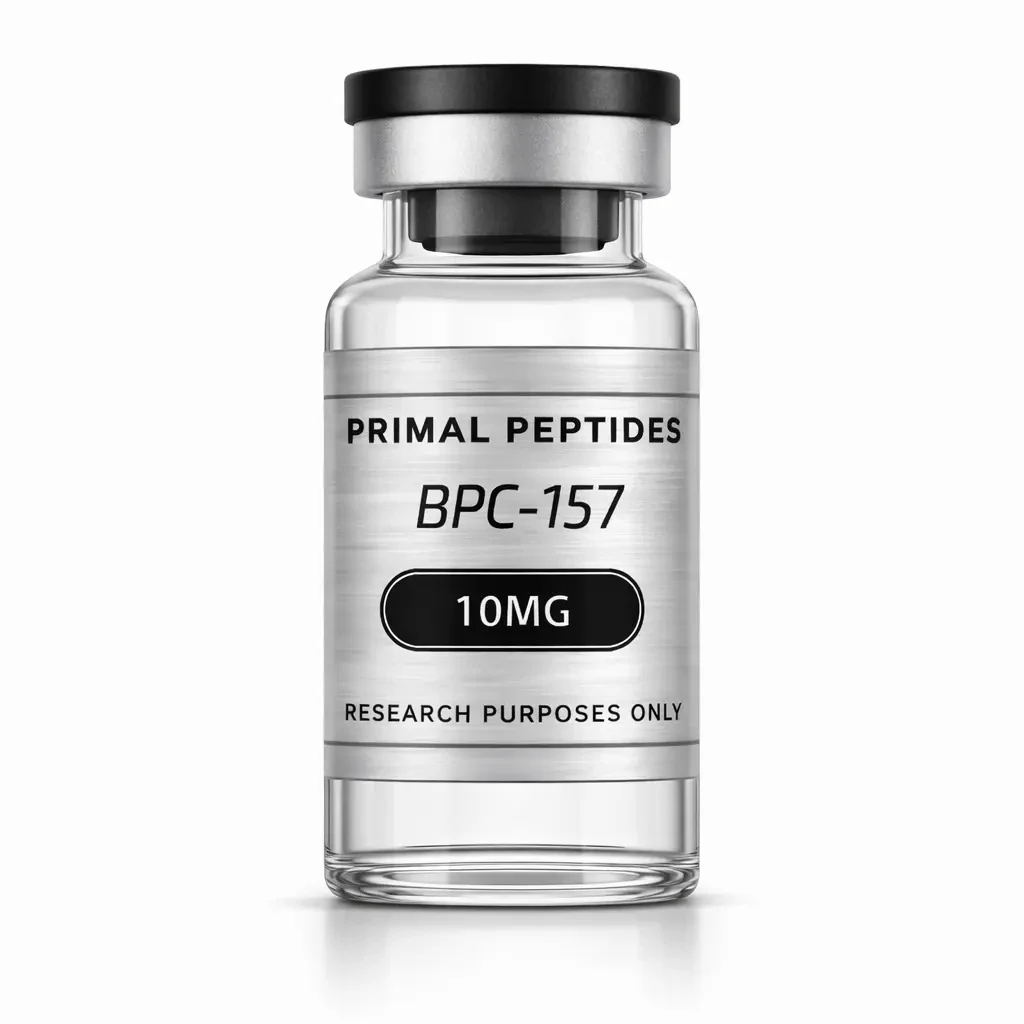
BPC-157
BPC-157 promotes tissue regeneration and healing by modulating growth factors such as VEGF and promoting angiogenesis. It influences nitric oxide pathways, reduces inflammation, and enhances the migration and proliferation of fibroblasts and endothelial cells, aiding in the repair of muscles, tendons, ligaments, and the gastrointestinal tract.
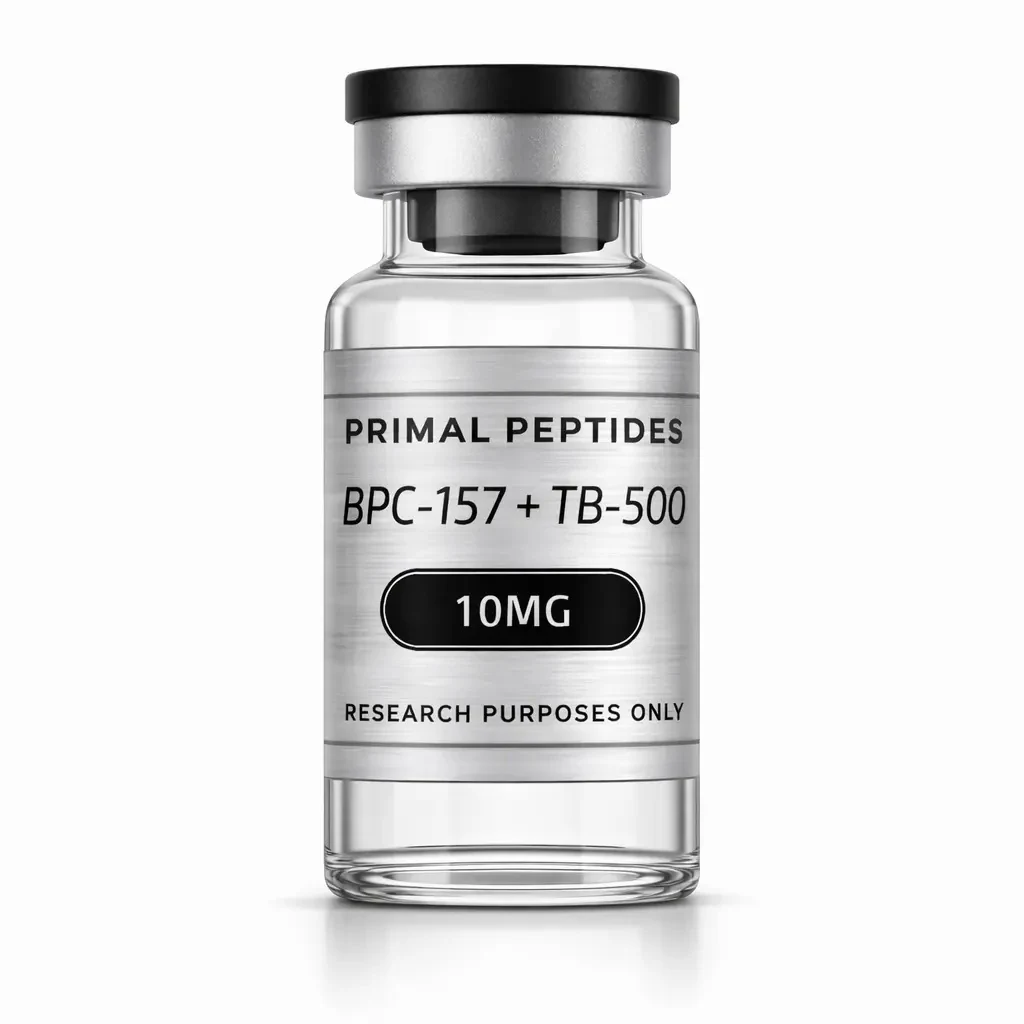
BPC-157 & TB-500
BPC-157 promotes angiogenesis, cell survival, and tissue regeneration by enhancing blood vessel formation and cytoprotective mechanisms primarily via upregulation of growth factors and modulation of the nitric oxide system. TB-500 primarily acts by regulating actin cytoskeleton dynamics, promoting cellular migration, proliferation, and extracellular matrix remodeling, which enhances tissue repair, cell migration, and reduces inflammation. The combination acts synergistically to accelerate healing and reduce inflammation in muscle, tendon, and connective tissues by targeting separate but complementary pathways involved in tissue regeneration and repair.
BPC-157/TB-500/GHK-Cu Blend
BPC-157 promotes tissue healing primarily via vascular endothelial growth factor (VEGF) modulation, supporting angiogenesis and tissue restoration. TB-500 enhances cell migration and angiogenesis by regulating actin cytoskeleton dynamics. GHK-Cu stimulates collagen synthesis and exerts antioxidant effects, aiding skin renewal and reducing inflammation. The combination results in synergistic enhancement of tissue regeneration, wound healing, neuroprotective effects, and collagen production.
BPC-157/TB-500/GHK-Cu/KPV
The blend combines peptides with complementary mechanisms: BPC-157 promotes tissue repair via vascular endothelial growth factor (VEGF) modulation enhancing angiogenesis and healing; TB-500 facilitates cell migration and angiogenesis through actin cytoskeleton regulation; GHK-Cu stimulates collagen synthesis and exhibits antioxidant activity promoting skin regeneration; KPV modulates inflammation by inhibiting pro-inflammatory cytokines. Together, they synergistically promote tissue regeneration, collagen remodeling, and immune modulation in preclinical models.
BPC-157/TB-500/GHK-Cu/KPV Blend
This blend combines synergistic peptides targeting multiple regenerative pathways: BPC-157 promotes tissue healing by inducing vascular endothelial growth factor (VEGF), enhancing angiogenesis and cytoprotection; TB-500 facilitates cell migration and angiogenesis through actin regulation; GHK-Cu stimulates collagen synthesis and acts as an antioxidant to promote skin remodeling; KPV exerts anti-inflammatory effects by modulating cytokine activity and suppressing proinflammatory responses. Collectively, these peptides accelerate repair processes, reduce inflammation, and enhance tissue regeneration at cellular and molecular levels.
BPC-157/TB-500/GHK-Cu/KPV Blend
The blend combines synergistic peptides targeting multiple regenerative pathways: BPC-157 promotes tissue healing via vascular endothelial growth factor (VEGF) induction enhancing angiogenesis and cytoprotection; TB-500 facilitates cell migration and angiogenesis through actin regulation; GHK-Cu stimulates collagen synthesis and serves as an antioxidant promoting skin remodeling; KPV exerts anti-inflammatory effects by modulating cytokine activity and suppressing proinflammatory responses. Together, they accelerate repair processes, reduce inflammation, and enhance tissue regeneration at cellular and molecular levels.
BTG Blend (BPC-157, TB-500, GHK-Cu)
The BTG Blend synergistically combines BPC-157, TB-500, and GHK-Cu peptides. BPC-157 promotes tissue repair primarily via upregulation of vascular endothelial growth factor (VEGF), enhancing angiogenesis and accelerating wound healing. TB-500 acts by promoting cell migration, modulating actin dynamics, and stimulating angiogenesis, facilitating broader cellular regeneration. GHK-Cu stimulates collagen synthesis, exhibits antioxidant activity, and modulates gene expression to improve skin regeneration and reduce inflammation. Together, these peptides enhance tissue repair, reduce inflammation, support neuroprotection, and promote skin rejuvenation through complementary molecular pathways.
BTG-K Blend
The BTG-K Blend combines the distinct mechanisms of four peptides: BPC-157 promotes tissue repair primarily via VEGF-mediated angiogenesis enhancing vascular growth and regeneration; TB-500 (Thymosin Beta-4) facilitates cell migration and angiogenesis by modulating actin cytoskeleton dynamics, promoting cellular movement and repair; GHK-Cu (Copper peptide) stimulates collagen synthesis and exhibits potent antioxidant activity, contributing to skin remodeling and healing; and KPV modulates inflammatory responses by cytokine regulation resulting in reduced pro-inflammatory signaling. The combined action results in synergistic enhancement of tissue regeneration, neuroprotection, inflammation reduction, and skin renewal.
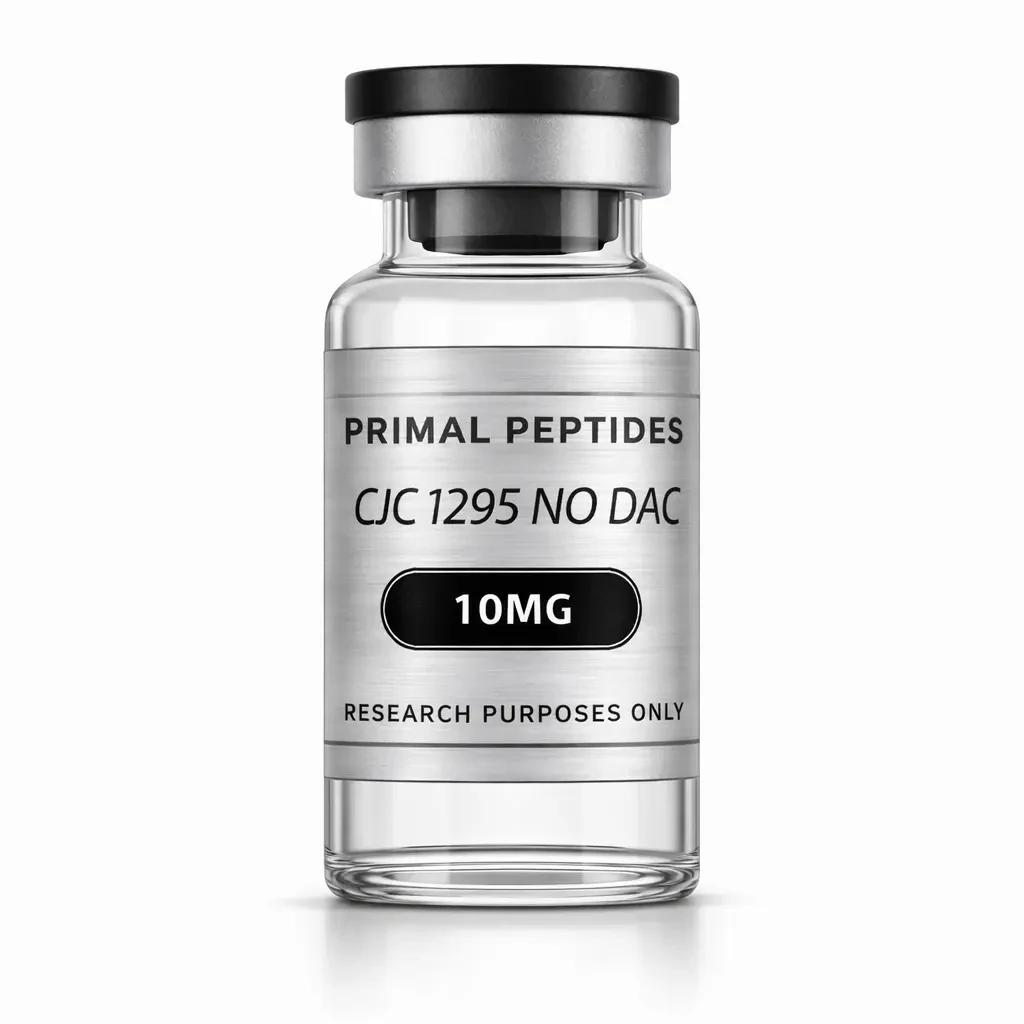
CJC-1295 (No DAC)
CJC-1295 without DAC acts as a synthetic analog of growth hormone releasing hormone (GHRH). It binds to GHRH receptors in the anterior pituitary gland, stimulating pulsatile release of endogenous growth hormone. Unlike the DAC (Drug Affinity Complex) variant, it has a shorter half-life and does not exhibit prolonged receptor binding, allowing for controlled and physiologic patterns of GH secretion and reduced risk of receptor desensitization.
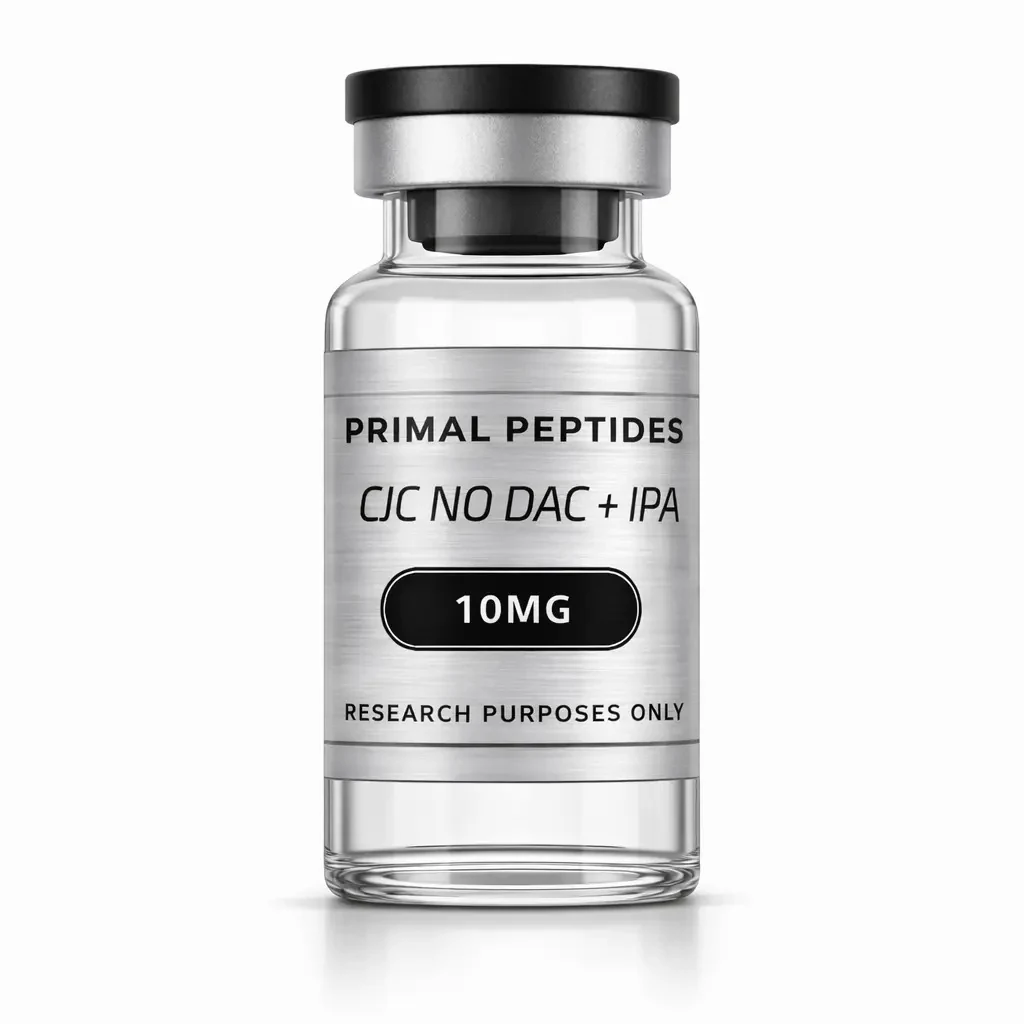
CJC-1295 (No DAC) + Ipamorelin
CJC-1295 without DAC is a synthetic analogue of Growth Hormone Releasing Hormone (GHRH) that stimulates the pituitary gland to release growth hormone (GH) in a pulsatile manner by mimicking endogenous GHRH activity. Ipamorelin is a selective growth hormone secretagogue that activates the ghrelin receptor (GHSR-1a), which further stimulates GH secretion without significantly affecting cortisol or prolactin levels. Together, the combination synergistically enhances endogenous GH release through both GHRH receptor and ghrelin receptor pathways, resulting in increased physiological pulses of GH without desensitization.
CJC-1295 without DAC + Ipamorelin
CJC-1295 without DAC is a synthetic analog of growth hormone releasing hormone (GHRH) that stimulates endogenous secretion of growth hormone (GH) via pulsatile release from the anterior pituitary. Ipamorelin is a growth hormone releasing peptide (GHRP) that acts as an agonist of the ghrelin receptor (GHSR-1a), also augmenting GH release. The combination synergistically increases GH secretion without significant desensitization or side effects by activating two separate pathways: GHRH-induced cAMP-mediated GH release and ghrelin receptor mediated GH release.
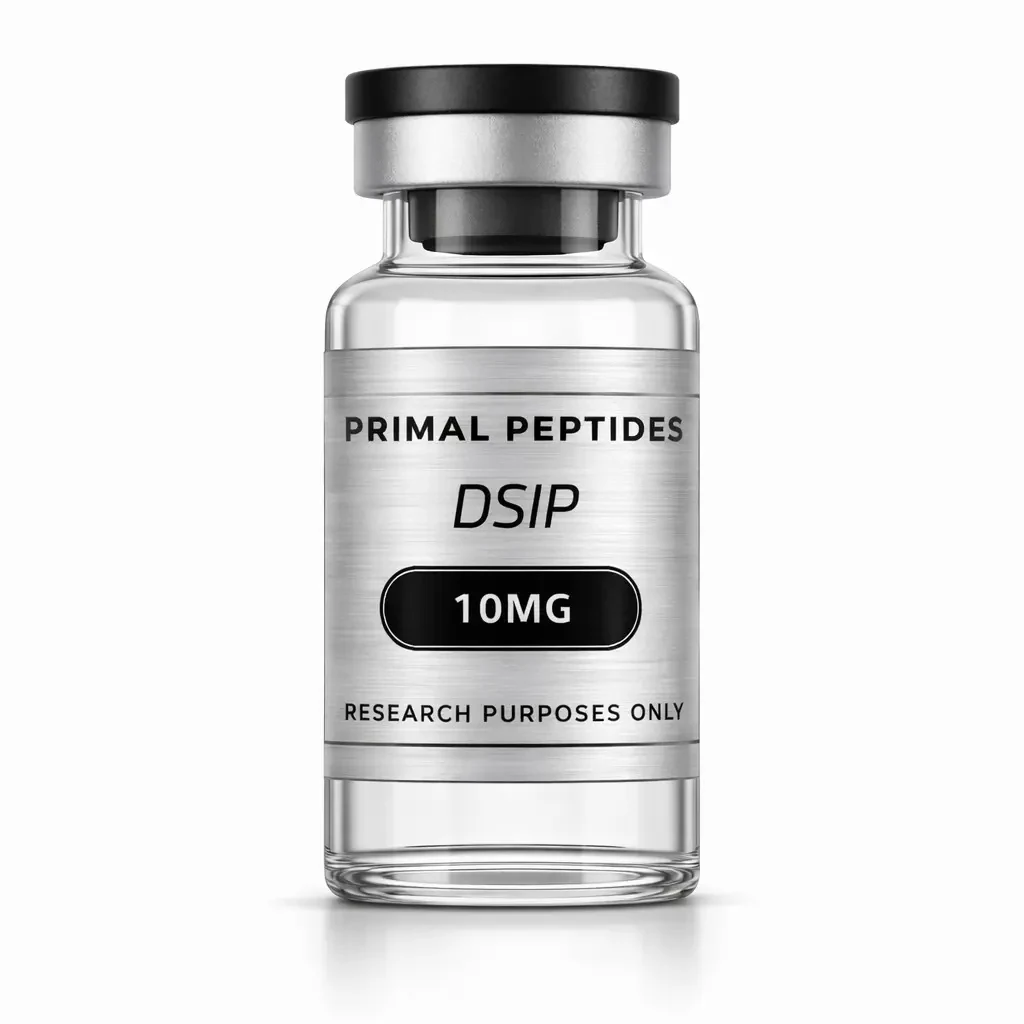
Delta Sleep-Inducing Peptide
DSIP modulates signaling in the central nervous system by influencing neuroendocrine pathways. It is linked to increased slow-wave sleep (SWS), enhanced melatonin secretion, reduction of oxidative stress, and modulation of REM and deep sleep cycles. DSIP impacts the hypothalamic regulation of hormonal secretion, particularly affecting cortisol and growth hormone release, and potentially supports neuroprotective mechanisms.
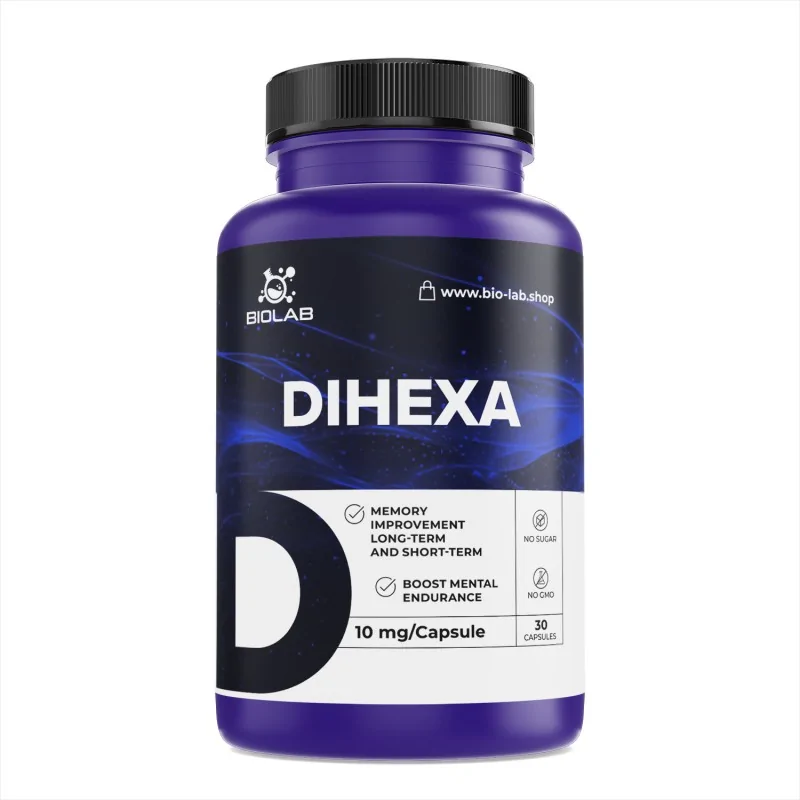
Dihexa
Dihexa is an angiotensin IV derivative peptide that exhibits strong affinity for hepatocyte growth factor (HGF) and activates the HGF/c-Met signaling pathway. This activation promotes synaptogenesis, neurogenesis, and neuronal survival by mimicking or potentiating brain-derived neurotrophic factor (BDNF)-like activity, enhancing synaptic connectivity and cognitive plasticity. It crosses the blood-brain barrier efficiently and influences vascular physiology to improve cerebral blood flow, aiding neuronal communication and cognitive functions.
DSIP
DSIP modulates central nervous system signaling pathways by influencing neuro-endocrine interactions. It is believed to promote slow-wave sleep (deep sleep phases) by regulating melatonin secretion and reducing stress hormone levels such as cortisol. It also exerts antioxidative effects and may modulate growth hormone release, impacting sleep quality and neuroprotection.
Epitalon
Epitalon is a synthetic tetrapeptide that acts primarily by activating the enzyme telomerase, which enables the elongation of telomeres at the ends of chromosomes, thereby promoting cellular renewal and potentially slowing cellular aging. It also influences melatonin production and the regulation of circadian rhythms, supports mitochondrial function, and may reduce oxidative stress. These effects contribute to the peptide's role in DNA repair, neuroprotection, and endocrine regulation.
Follistatin 344
Follistatin 344 is a recombinant peptide that functions by binding to and neutralizing myostatin (GDF-8) and other members of the transforming growth factor-beta (TGF-β) superfamily. Myostatin is a negative regulator of muscle growth, so its inhibition by Follistatin 344 releases the suppression on muscle hypertrophy, leading to increased muscle mass, enhanced regeneration, and recovery of skeletal muscle tissues in preclinical models.

Fragment 176-191
Fragment 176-191 is a synthetic peptide derivative of the human growth hormone (hGH) that mimics the region from amino acids 176 to 191 of the hGH molecule. It specifically stimulates lipolysis by activating the signaling pathways in fat cells that increase the breakdown of triglycerides into free fatty acids and glycerol, without the broader diabetogenic effects associated with full-length hGH. This peptide enhances mitochondrial activity and energy expenditure in adipocytes, leading to fat loss without significantly affecting blood glucose levels.
GHK-Cu
GHK-Cu is a copper-binding tripeptide that modulates gene expression related to tissue remodeling, antioxidant defense, anti-inflammatory responses, and connective tissue synthesis. It facilitates cellular communication by binding copper ions, which activates metalloproteinases and growth factors involved in collagen and elastin production, DNA repair, and cellular proliferation. This leads to enhanced wound healing, stimulation of dermal fibroblasts, and anti-aging effects through extracellular matrix remodeling.
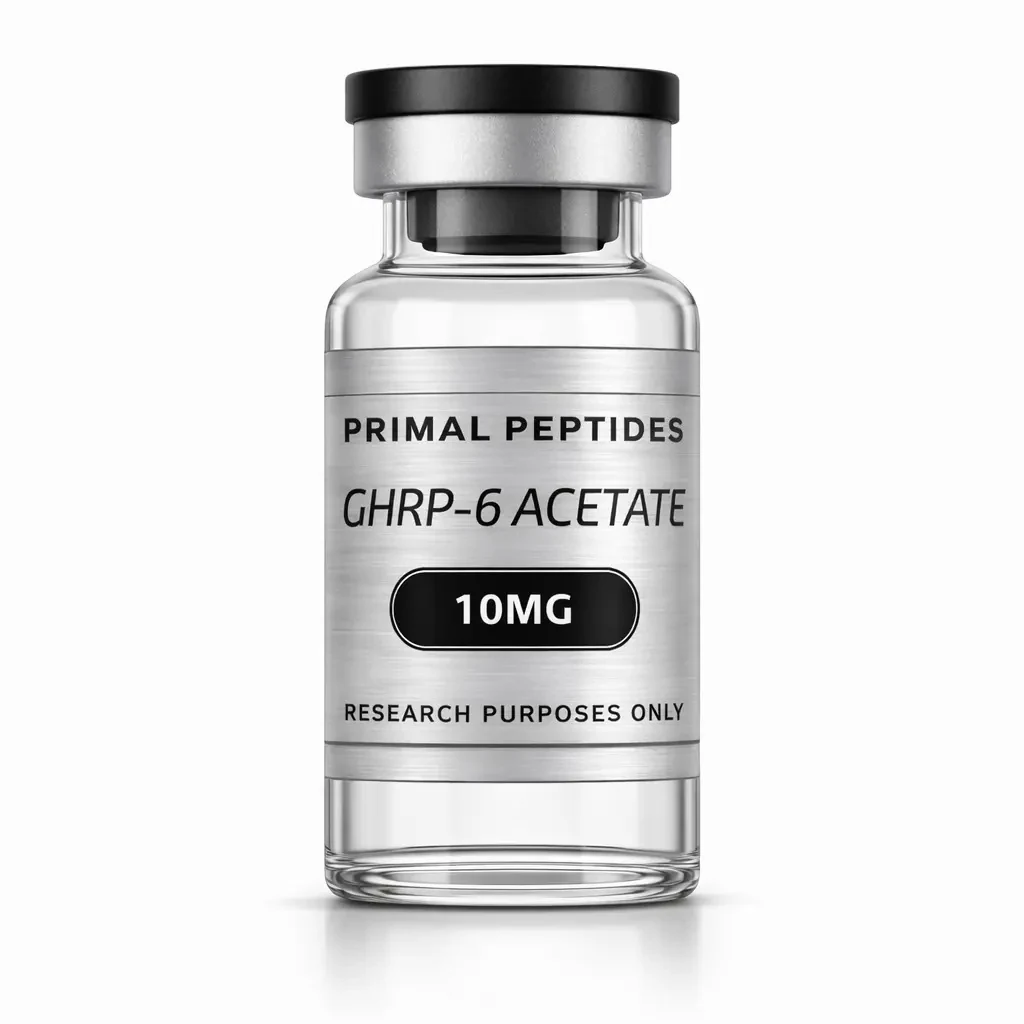
GHRP-6
GHRP-6 acts as an agonist at the ghrelin receptor (GHS-R1a), stimulating the pituitary gland to increase secretion of growth hormone (GH). This leads to downstream effects including elevated IGF-1 levels, enhanced muscle protein synthesis, and metabolic regulation. The peptide mimics the natural ligand ghrelin, promoting GH release and impacting appetite regulation via these receptors.

GLOW Peptide Blend
The GLOW blend combines three peptides each with distinct but complementary mechanisms. GHK-Cu is a copper-binding tripeptide that influences gene expression related to collagen synthesis, extracellular matrix remodeling, and wound healing by promoting decorin and fibronectin production and modulating matrix metalloproteinase activity. BPC-157 is a pentadecapeptide derived from human gastric juice protein that promotes angiogenesis, tendon and ligament healing, and gastrointestinal protection, likely through growth factor modulation and inflammatory signaling pathways. TB-500 is a synthetic fragment of thymosin beta-4 that promotes actin polymerization by sequestering G-actin monomers, thus enhancing cellular migration, angiogenesis, and tissue structural organization. Combined in a 50mg (GHK-Cu)/10mg (BPC-157)/10mg (TB-500) ratio, these peptides synergistically support tissue remodeling, cellular repair, and inflammatory pathway modulation.
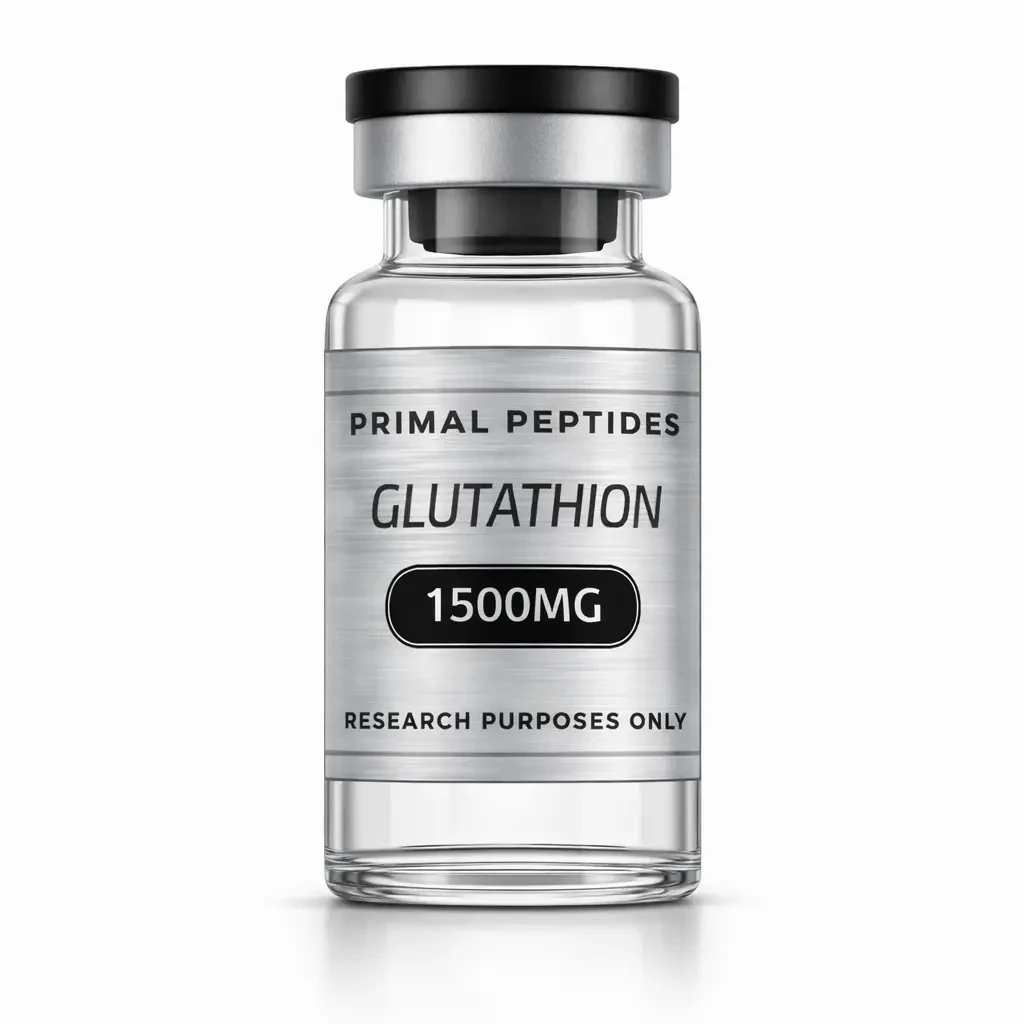
Glutathione
Glutathione acts as a central regulator of cellular redox balance by neutralizing reactive oxygen species (ROS) through its thiol group, participating in enzymatic detoxification reactions primarily via glutathione peroxidases and transferases, and maintaining mitochondrial stability. It cycles between reduced (GSH) and oxidized (GSSG) forms to preserve cellular oxidative homeostasis.
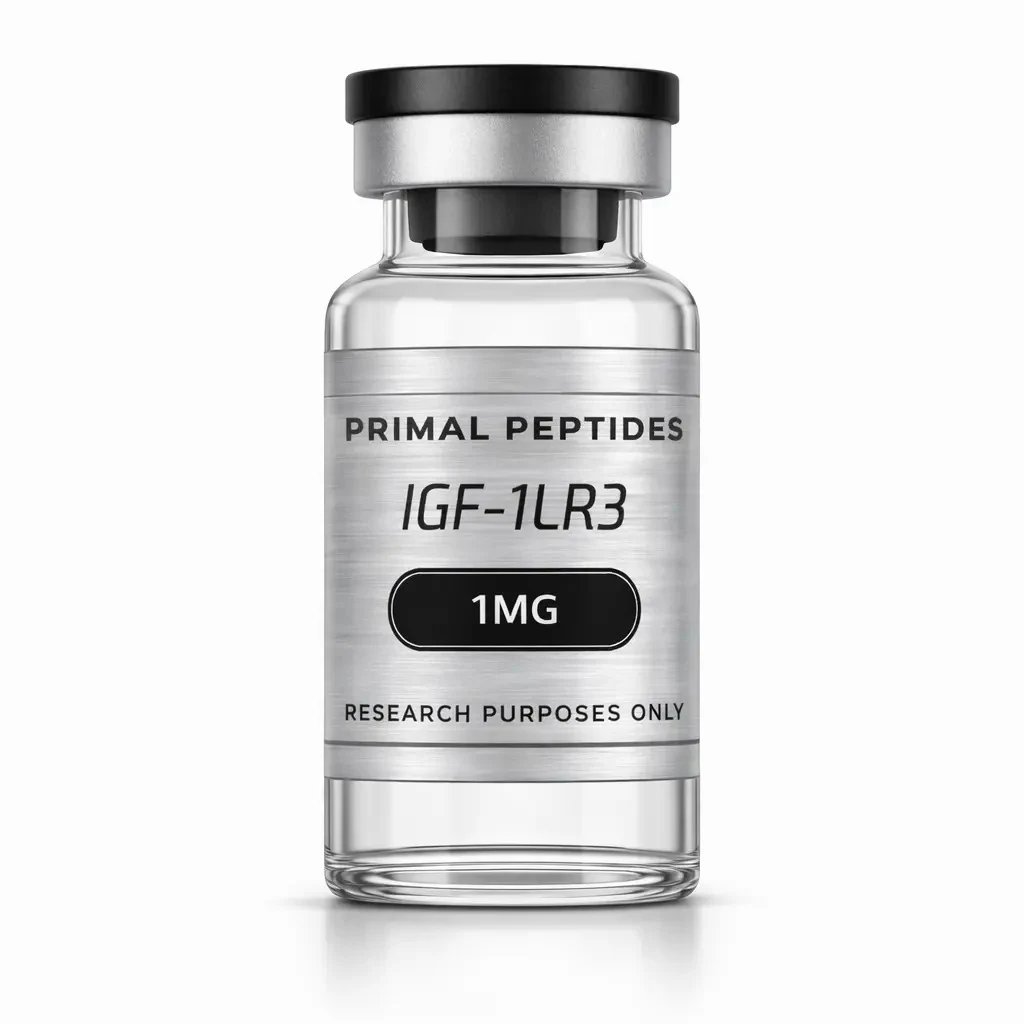
IGF-1 LR3
IGF-1 LR3 is a synthetic analog of IGF-1 with an extended half-life. It binds to IGF-1 receptors on muscle and other cells, activating anabolic signaling pathways that stimulate protein synthesis, cell growth (hyperplasia), and tissue regeneration. The extended structure of LR3 reduces binding to IGF binding proteins, increasing its bioavailability and duration of action compared to native IGF-1.
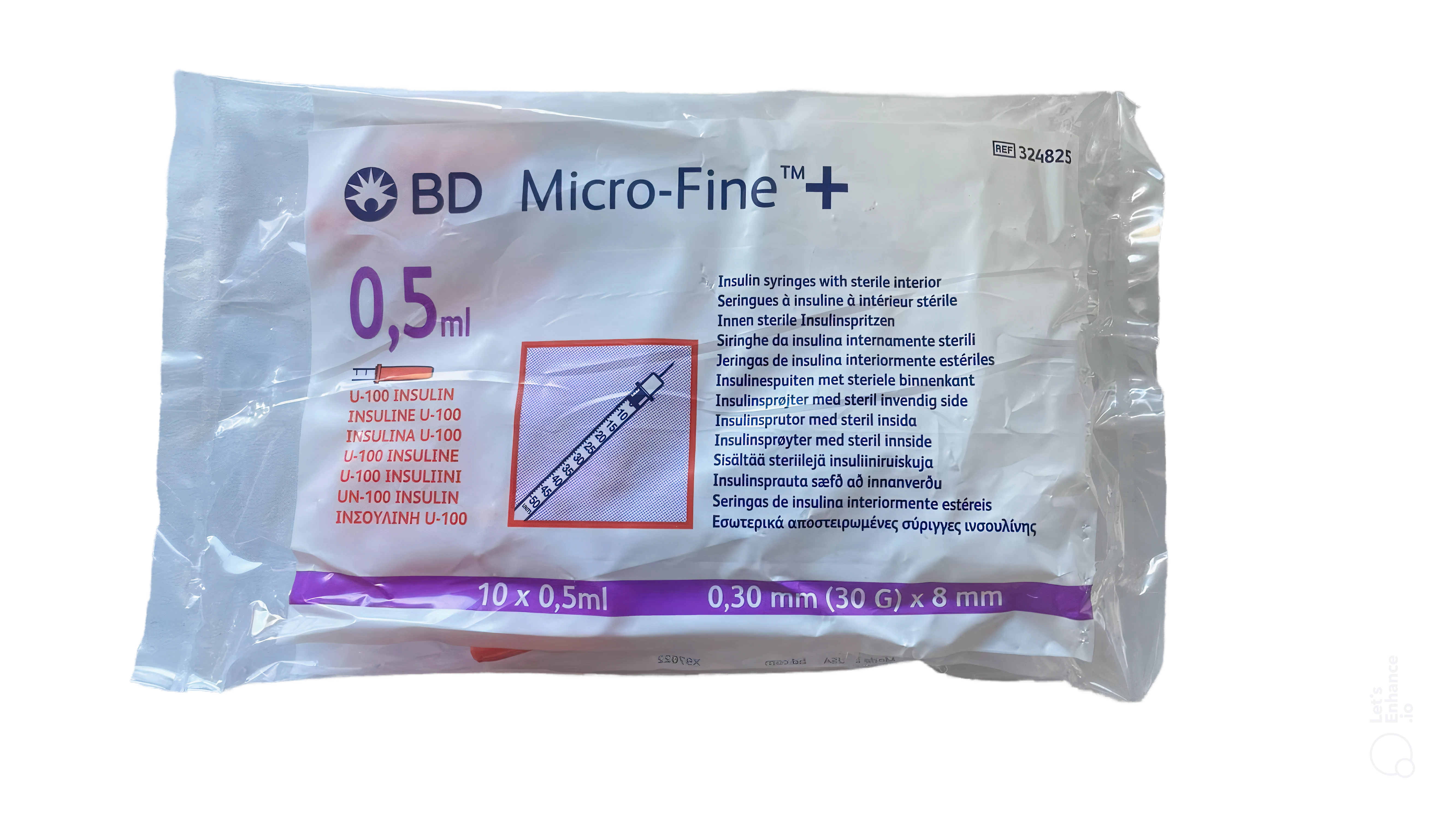
Insulin
Insulin is a peptide hormone produced by the pancreas that regulates glucose metabolism by promoting cellular glucose uptake, glycogenesis, and inhibiting gluconeogenesis. It binds to the insulin receptor, triggering a signaling cascade that activates glucose transporter type 4 (GLUT4) translocation to the cell membrane, primarily in muscle and adipose tissue, facilitating glucose entry into cells.
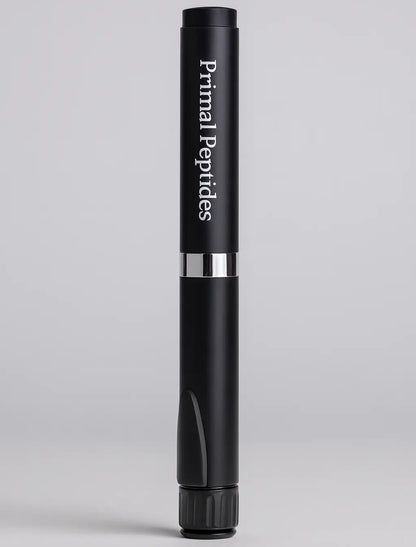
Insuline (Insulin)
Insulin is a peptide hormone produced by pancreatic beta cells that regulates glucose metabolism by promoting cellular glucose uptake, glycogen synthesis, and lipid synthesis, while inhibiting gluconeogenesis and lipolysis. It binds to the insulin receptor, a receptor tyrosine kinase, activating downstream signaling pathways such as PI3K/Akt and MAPK to exert effects on glucose homeostasis and cellular metabolism.
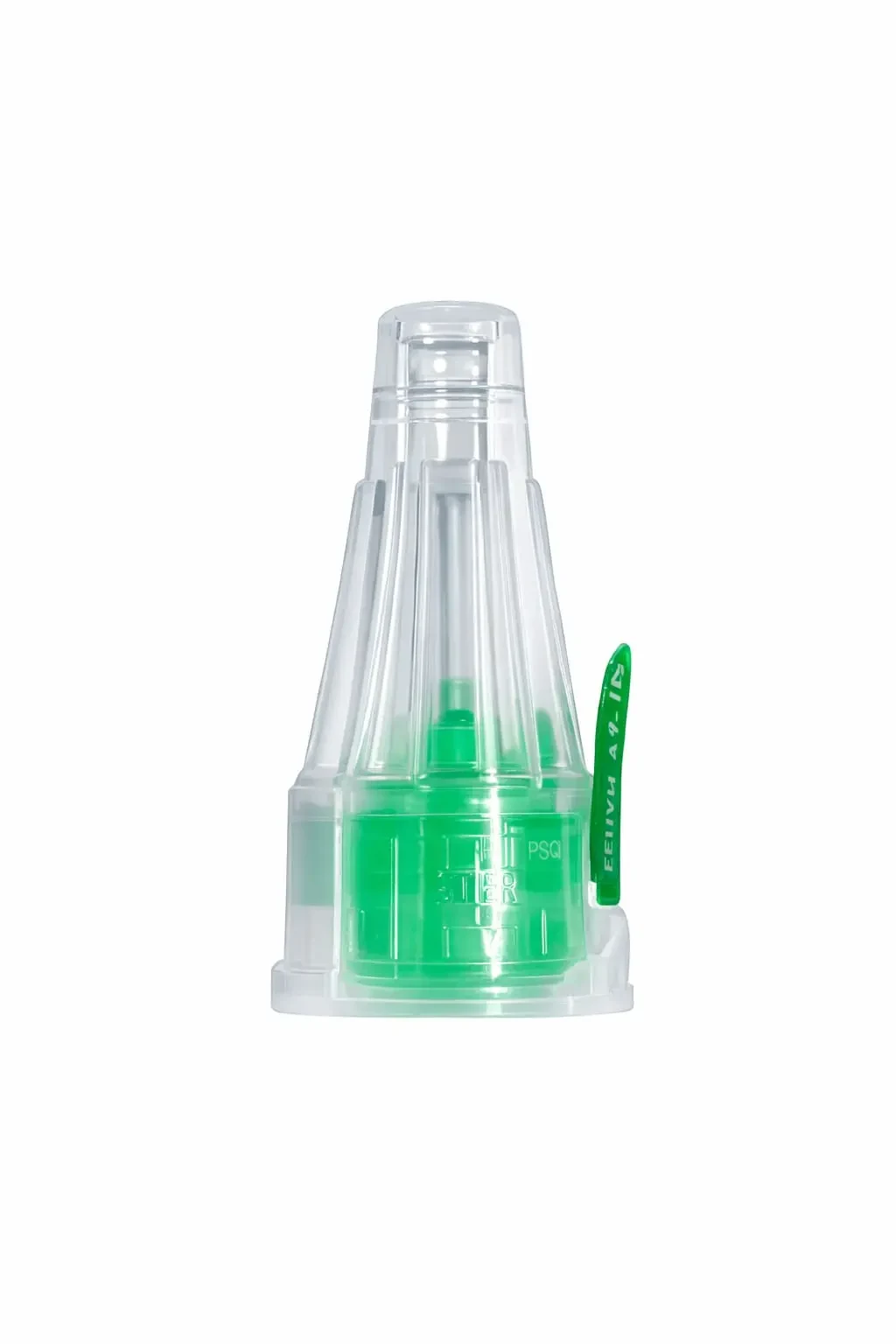
Insuline Pen Naalden
Not applicable. These are sterile insulin pen needles designed to deliver precise subcutaneous injections of peptides or insulin by enabling controlled dosage administration into subcutaneous tissue.
Insuline Pen Naalden 4mm
These insulin pen needles function as a delivery device component, allowing precise, controlled subcutaneous administration of peptides or insulin by providing a sterile, compatible interface between the device and biological tissue. They minimize tissue trauma due to their short 4 mm length and fine gauge.
Insuline spuit 0,5 ml met fijne naald (0,30 x 8 mm)
This product is not a peptide itself but a sterile insulin syringe intended for precise subcutaneous administration of peptide-based compounds. It allows for accurate dosage delivery of peptides by penetrating the skin and depositing the solution into subcutaneous fat tissue.
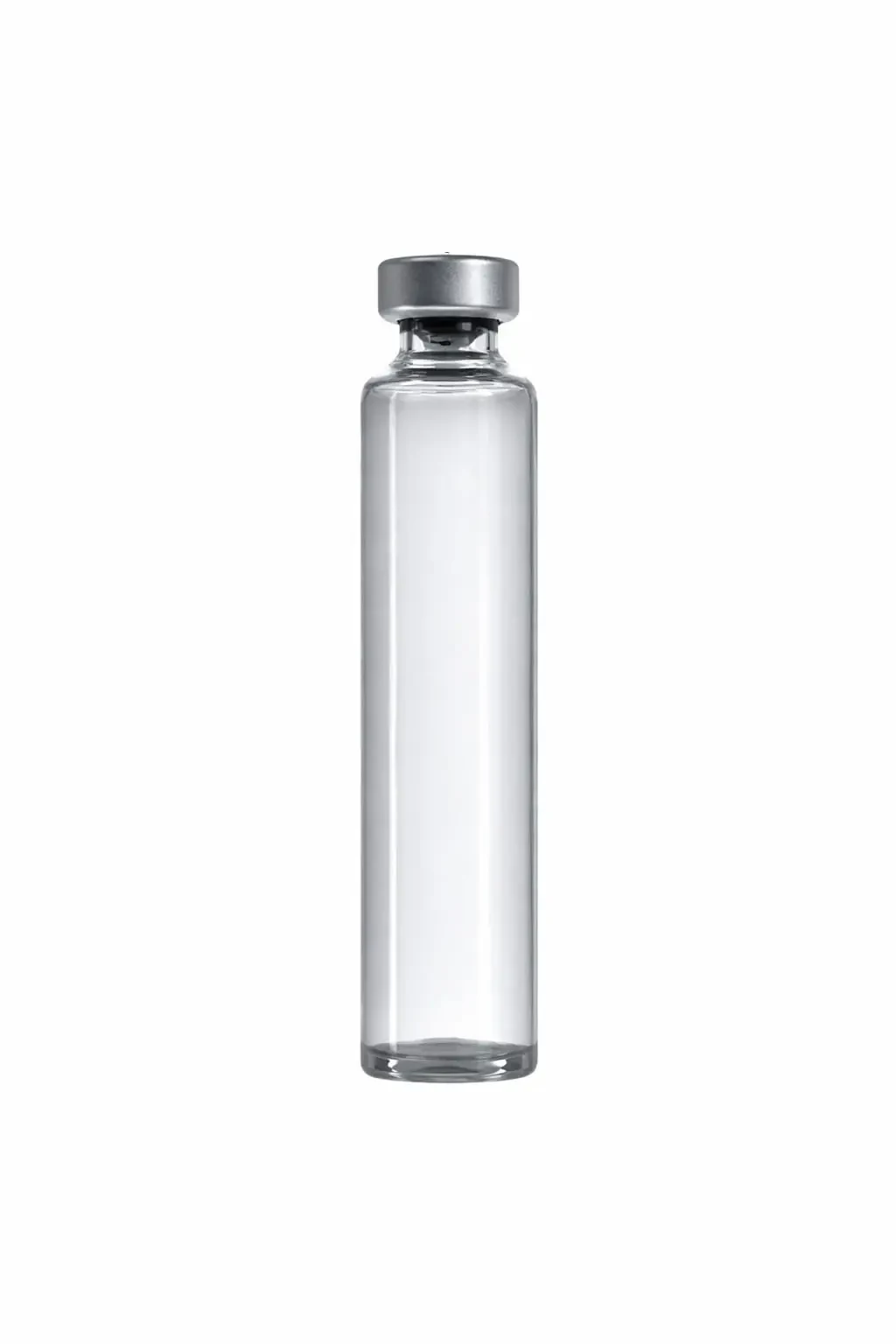
Insulinepen vial
Not applicable, since this product is a device (vial) designed for administration and storage of peptides in research settings, rather than a biochemical agent.
Insulinepen vial 3ml
Not applicable. This product is a 3 ml vial designed for use with insulin pens to allow accurate and sterile delivery of peptides such as BPC-157 in laboratory settings. It does not have a pharmacological mechanism itself but serves as a delivery tool ensuring precise dosing and peptide stability during experimental administration.
Insulinespuit 0,5ml met fijne naald
This product is not a peptide but a sterile insulin syringe designed for precise subcutaneous delivery of liquid compounds such as peptides. It facilitates the controlled administration of substances directly into subcutaneous tissue, ensuring accurate dosing and minimizing tissue damage.
Insulinsyringe (U100-type, 0.5ml with 0.30 x 8mm needle)
Not applicable. This is an injection device designed for precise subcutaneous delivery of peptides and other compounds, enabling accurate dosing by allowing administration of measured liquid volumes.
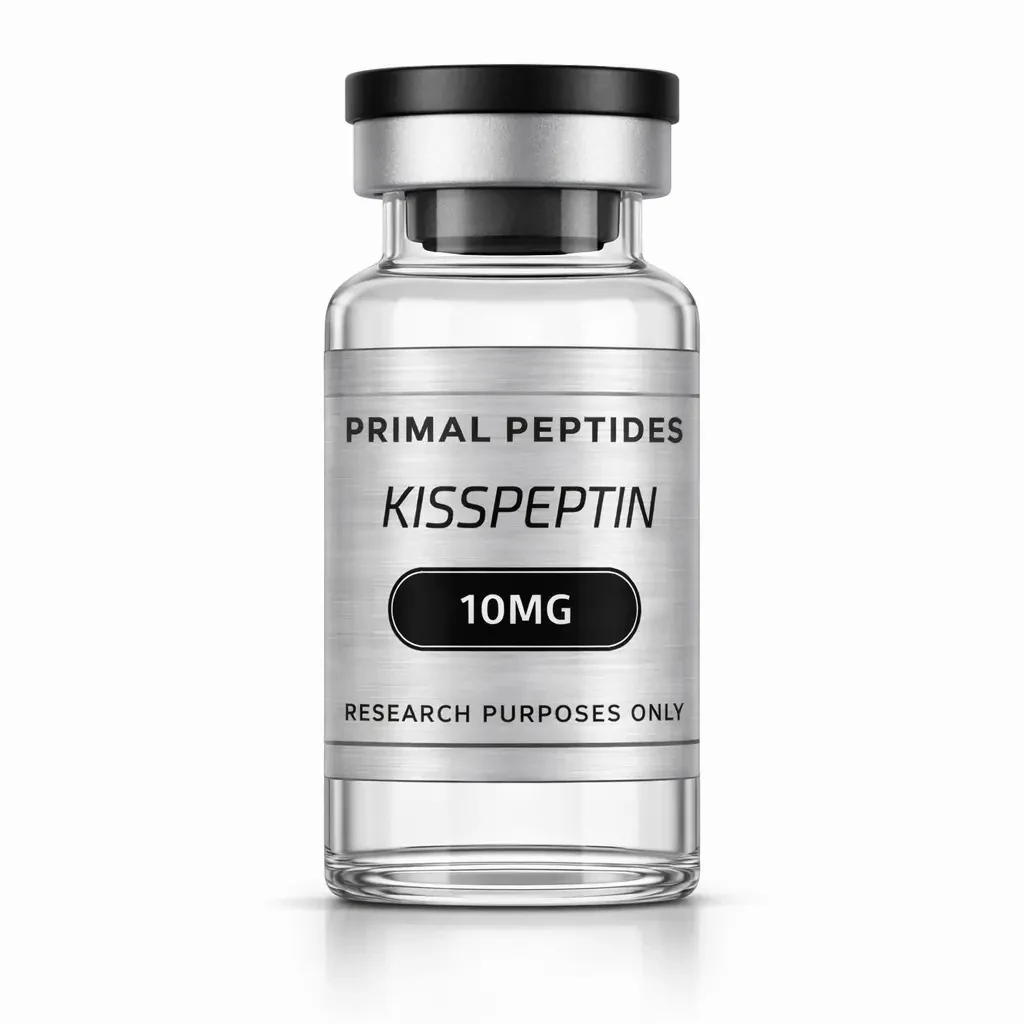
Kisspeptin
Kisspeptin binds to the G protein-coupled receptor GPR54 (also known as Kiss1R) on hypothalamic neurons. This activation stimulates the release of gonadotropin-releasing hormone (GnRH), which in turn triggers the pituitary to release luteinizing hormone (LH) and follicle-stimulating hormone (FSH). These hormones regulate gonadal function, sexual development, and reproductive cycling. Kisspeptin's action is critical for the initiation of puberty and maintenance of fertility.
KPV
KPV is a synthetic tripeptide consisting of lysine, proline, and valine. It modulates immune and inflammatory pathways by interacting with cellular signaling routes related to cytokine production and immune cell function. KPV inhibits NF-κB signaling, reducing pro-inflammatory cytokine release, and promotes mucosal healing and immune modulation, particularly relevant in gastrointestinal and mucosal tissues.
LL-37
LL-37 is an amphipathic cationic peptide from the cathelicidin family that disrupts microbial membranes by binding to and permeabilizing their lipid bilayers, leading to pathogen death. It also modulates immune responses by influencing inflammatory signaling pathways, promotes angiogenesis (new blood vessel formation) supporting tissue repair, and can enhance barrier functions of epithelial cells.
Melanotan II
Melanotan II is a synthetic peptide analogue of the α-melanocyte stimulating hormone (α-MSH). It activates melanocortin receptors, primarily MC1R in the skin to stimulate melanogenesis (melanin production), producing skin pigmentation without UV exposure. It also activates MC4R centrally in the brain to influence sexual arousal, appetite regulation, mood, and energy homeostasis. This dual peripheral and central receptor activation distinguishes its pharmacodynamics.
Methylene Blue
Methylene Blue acts as a redox agent capable of accepting and donating electrons. It interacts with mitochondrial electron transport chain components, serving as an alternative electron carrier, thereby influencing cellular respiration and energy production. It exhibits antioxidant properties by reducing oxidative stress through modulation of reactive oxygen species and participates in redox cycling mechanisms within cells.
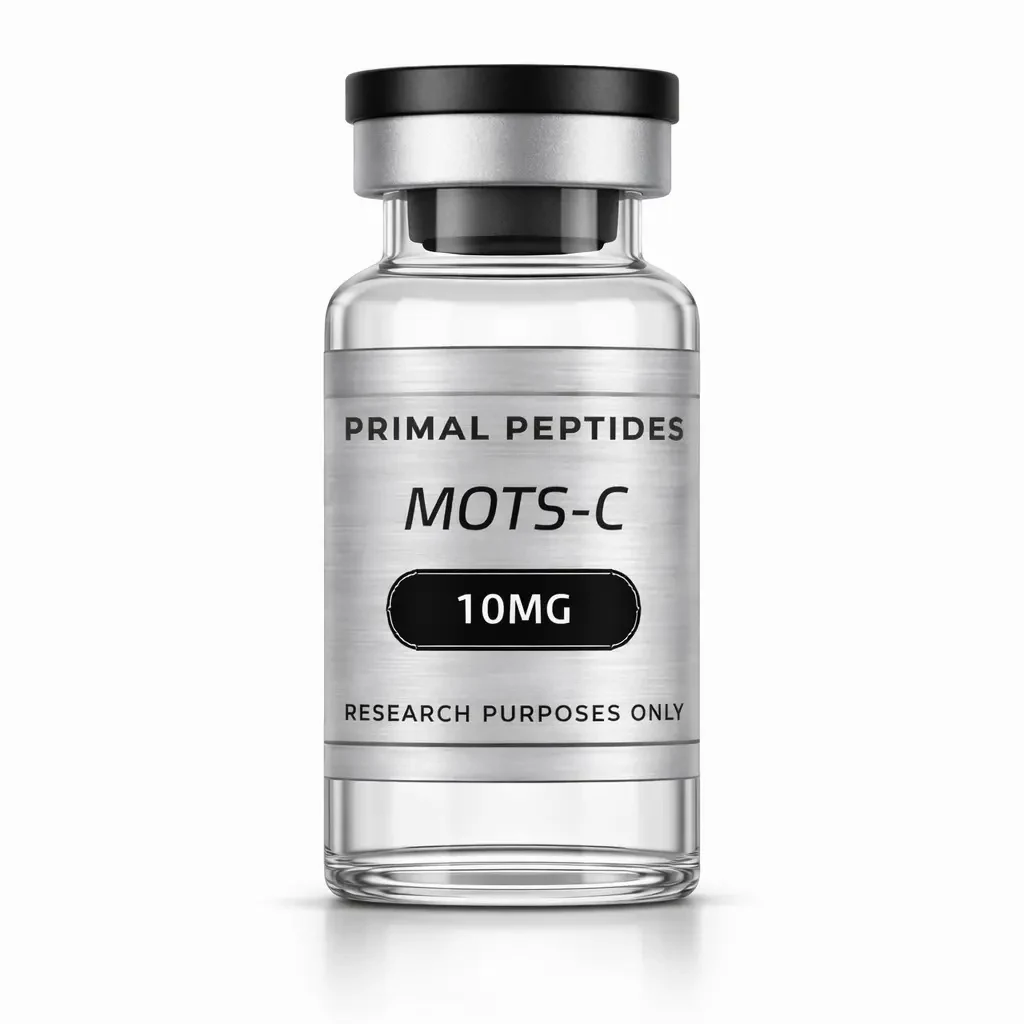
MOTS-c
MOTS-c is a mitochondrial-derived peptide that modulates metabolic homeostasis primarily through activation of the AMP-activated protein kinase (AMPK) pathway. This activation promotes energy balance by enhancing glucose uptake, fatty acid oxidation, and regulating insulin sensitivity. It also plays a protective role against metabolic stress by improving mitochondrial function and cellular resilience.
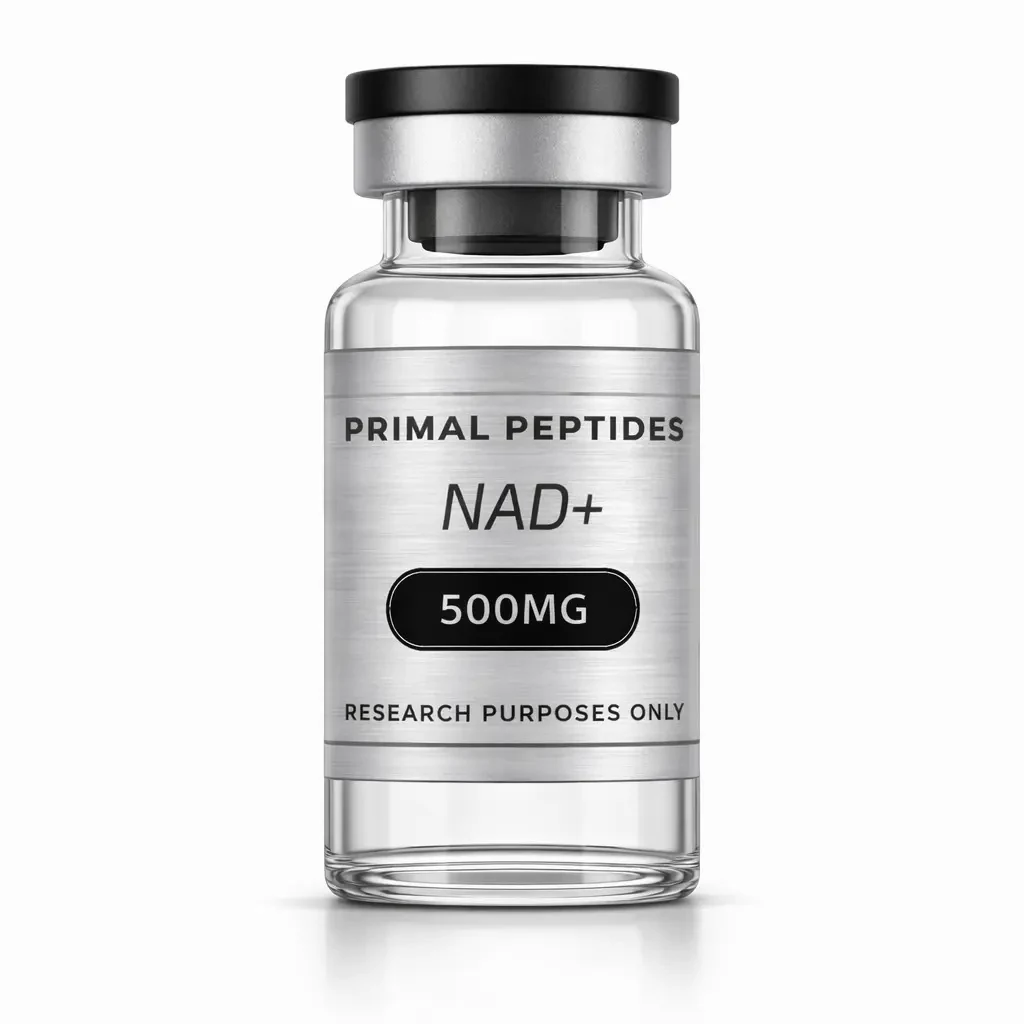
NAD+
NAD+ acts as an essential coenzyme in redox reactions, serving as an electron carrier in mitochondrial oxidative phosphorylation for ATP production. It is a critical substrate for enzymes like sirtuins and poly(ADP-ribose) polymerases (PARPs), which regulate DNA repair, gene expression, and cell stress responses. By modulating these enzymatic pathways, NAD+ influences cellular metabolism, energy homeostasis, and longevity mechanisms.
Not applicable
This product is a 3 ml vial designed for use with insulin pens to enable precise and sterile administration of peptides. It does not have a biochemical mechanism of action as it is a delivery device rather than a peptide or drug.
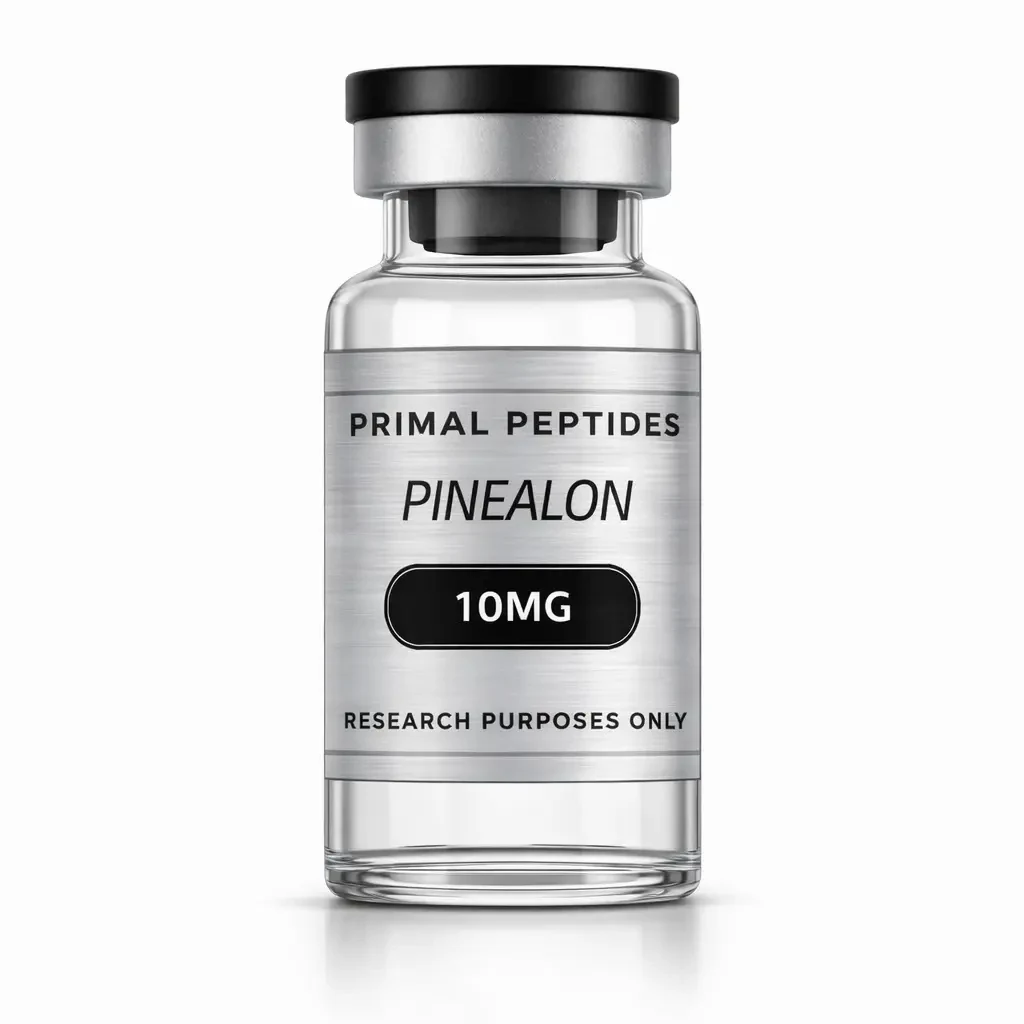
Pinealon
Pinealon is a synthetic tripeptide that modulates gene expression and cellular regulatory mechanisms primarily within the central nervous system. It is believed to exert neuroprotective effects by stabilizing neuronal function, reducing oxidative stress, and supporting cellular homeostasis to improve cognitive resilience and healthy brain aging.

PPAP
PPAP (Prostatic Acid Phosphatase) is an enzyme that functions as a phosphatase hydrolyzing phosphate esters, particularly in the prostate tissue. It dephosphorylates various substrates, impacting phosphate metabolism and contributing to physiological processes such as thiamine metabolism and nucleotidase activity. Its enzymatic activity modulates signaling pathways and cellular communication by regulating phosphate group removal from proteins and small molecules.
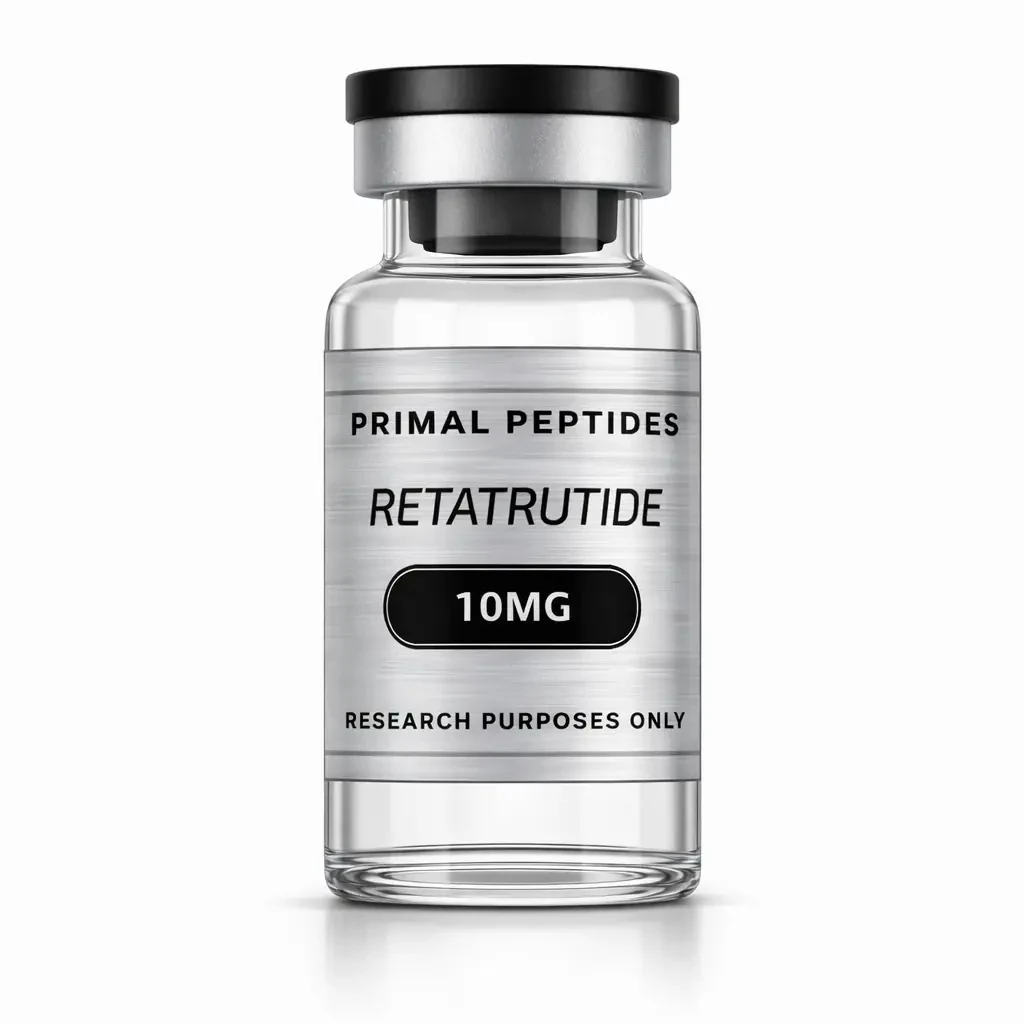
Retatrutide
Retatrutide is a synthetic peptide agonist of multiple hormone receptors including GLP-1, GIP, and glucagon receptors. By activating these receptors, it modulates metabolic pathways to reduce appetite, enhance insulin sensitivity, promote energy expenditure, and regulate glucose homeostasis, overall contributing to weight loss and improved metabolic function.
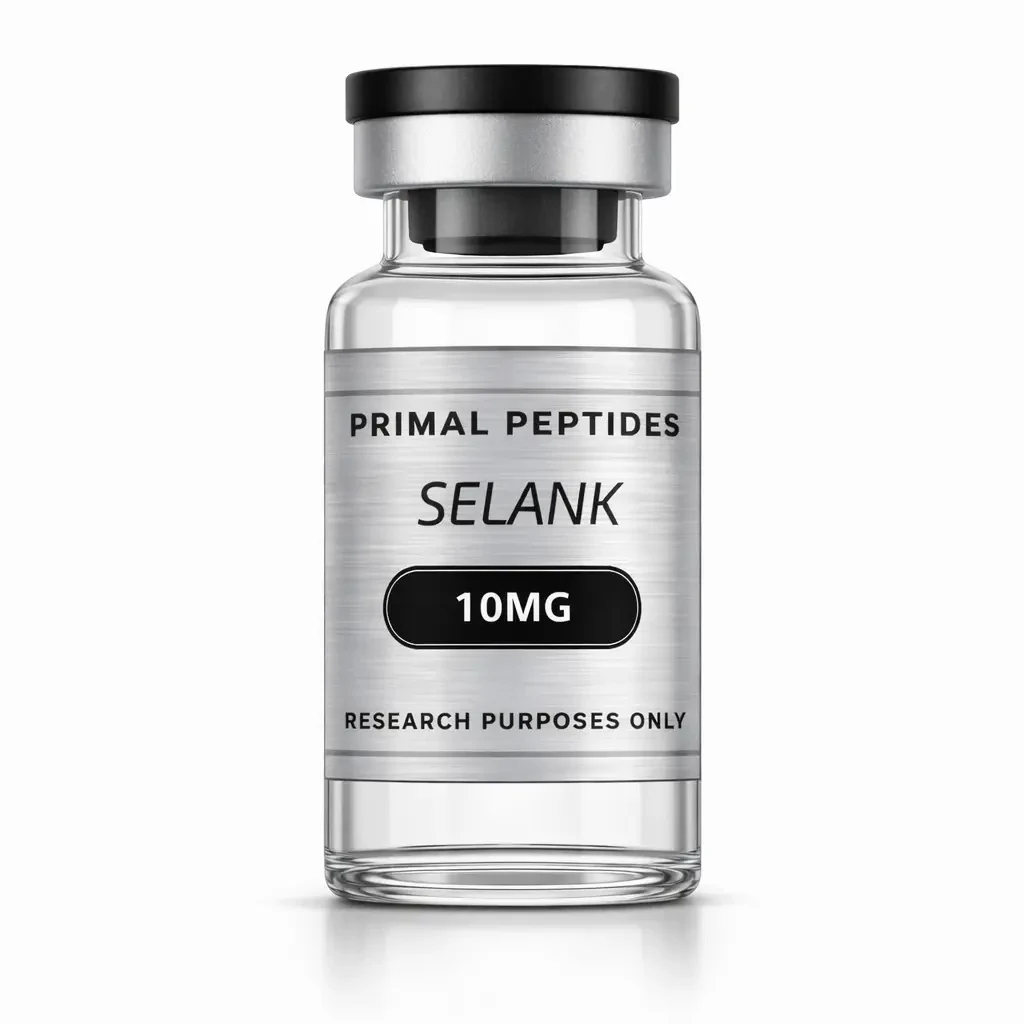
Selank
Selank is a synthetic heptapeptide analog of the immunomodulatory peptide tuftsin. It modulates the central nervous system by balancing neurotransmitters such as serotonin and dopamine, influences the GABAergic system, and exhibits immunomodulatory effects. Selank enhances neuroplasticity and regulates stress response by impacting cytokine levels and enhancing endogenous enkephalin activity.
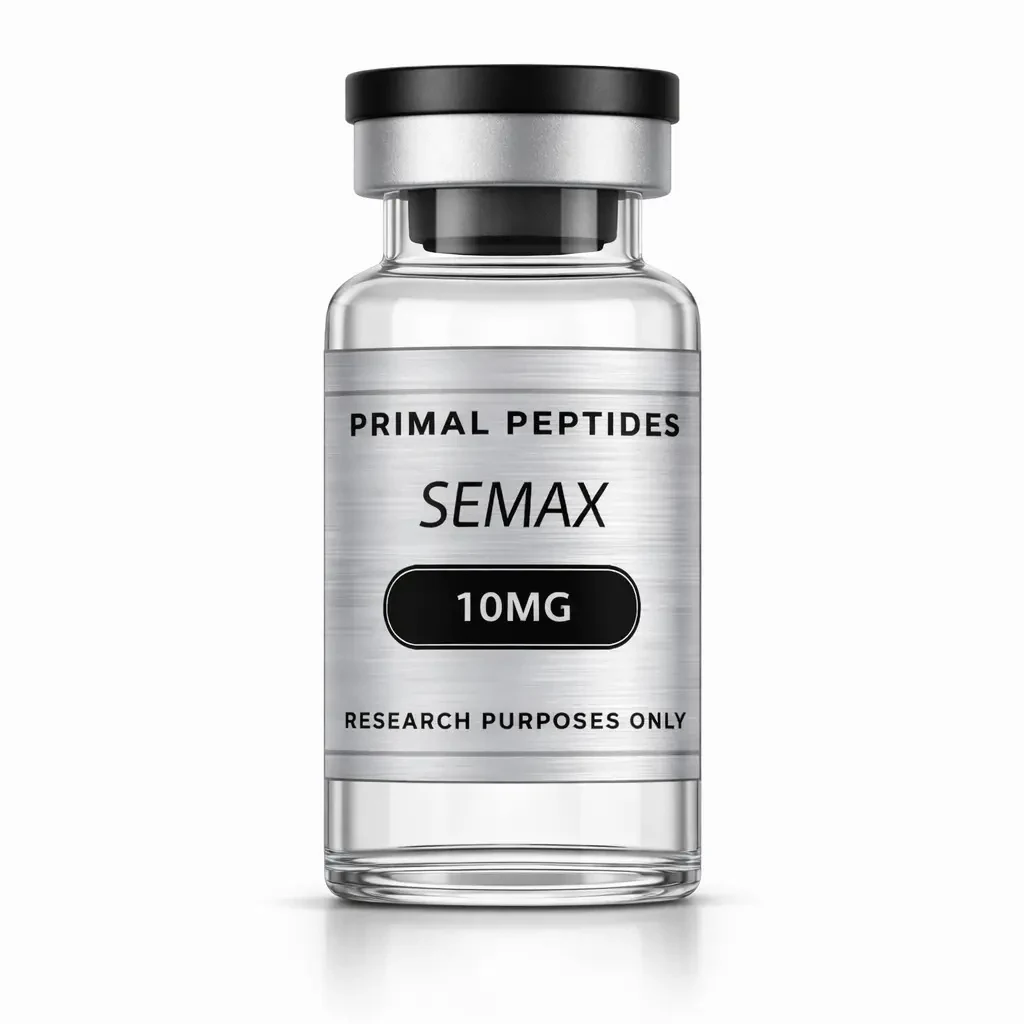
Semax
Semax is a synthetic neuropeptide derived from the ACTH(4-10) fragment. It modulates the expression of neurotrophins such as brain-derived neurotrophic factor (BDNF), and influences neurotransmitter systems including dopamine and serotonin pathways. These actions contribute to enhanced neuroplasticity, cognitive function, and stress resilience. It may promote neuronal survival and repair, and supports neuroregeneration in preclinical models.
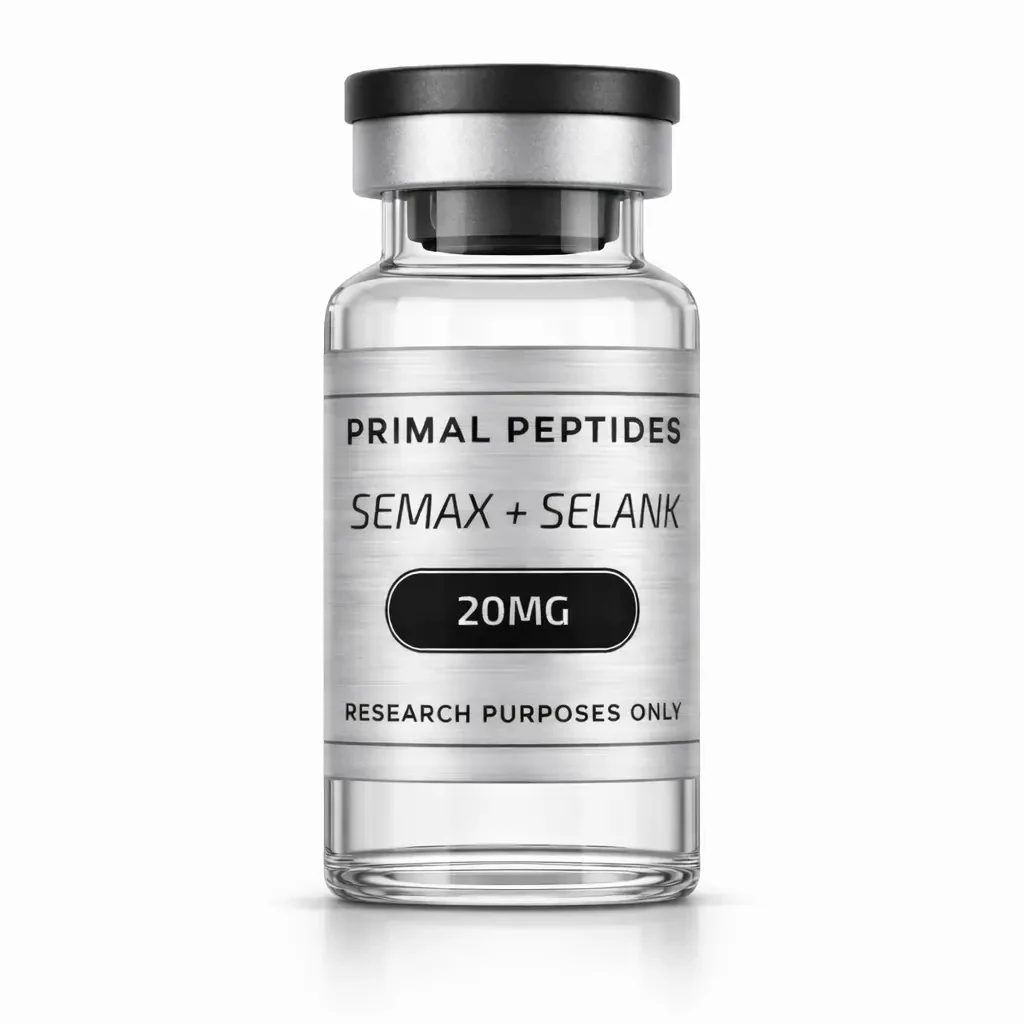
Semax / Selank
Semax acts primarily by modulating neurotrophin systems, especially enhancing Brain-Derived Neurotrophic Factor (BDNF) signaling and impacting neurotransmission to support neuroprotection and cognition. Selank modulates the central nervous system by regulating neurotransmitter balance, particularly influencing the GABAergic system to exert anxiolytic effects without sedation. The combination aims to synergistically promote cognitive performance, mental clarity, stress resilience, and neurological homeostasis through complementary neurochemical pathways.
Semax/Selank
Semax acts primarily through modulation of neurotransmission, particularly influencing brain-derived neurotrophic factor (BDNF) pathways which support neuroprotection and cognitive enhancement. Selank exerts anxiolytic effects by regulating the central nervous system without sedation, potentially affecting neurotransmitters like serotonin and modulation of immune signaling peptides such as tuftsin. The combination provides synergistic effects by balancing stimulatory cognitive enhancement with anxiolytic and stress regulatory properties.
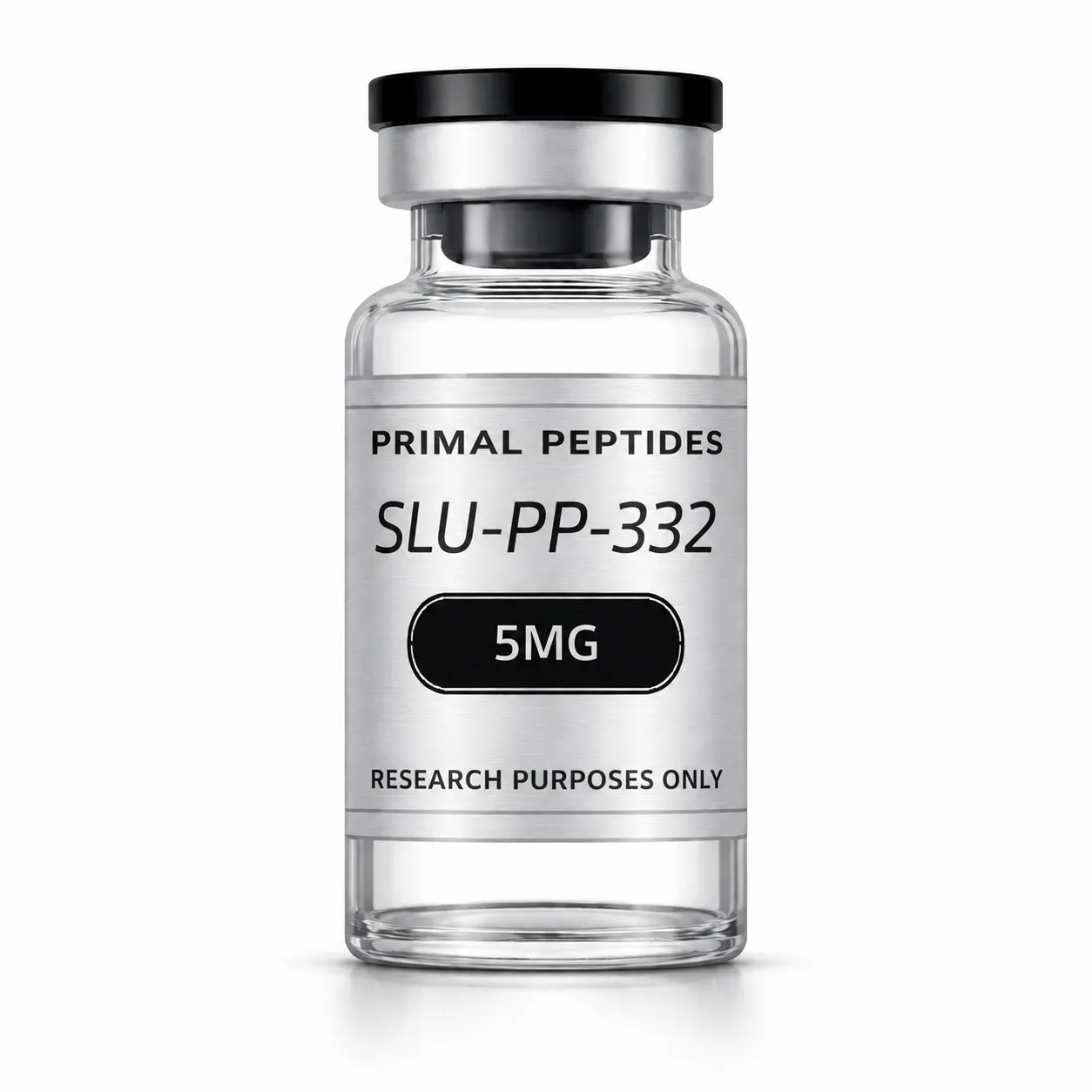
SLU-PP-332
SLU-PP-332 is believed to influence cellular energy metabolism primarily by stimulating mitochondrial activity. It enhances mitochondrial energy production processes and fat oxidation via metabolic and mitochondrial pathways rather than acting as a central nervous system stimulant. This can improve metabolic efficiency and cellular energy utilization, potentially increasing endurance and fat metabolism through modulation of mitochondrial bioenergetics.
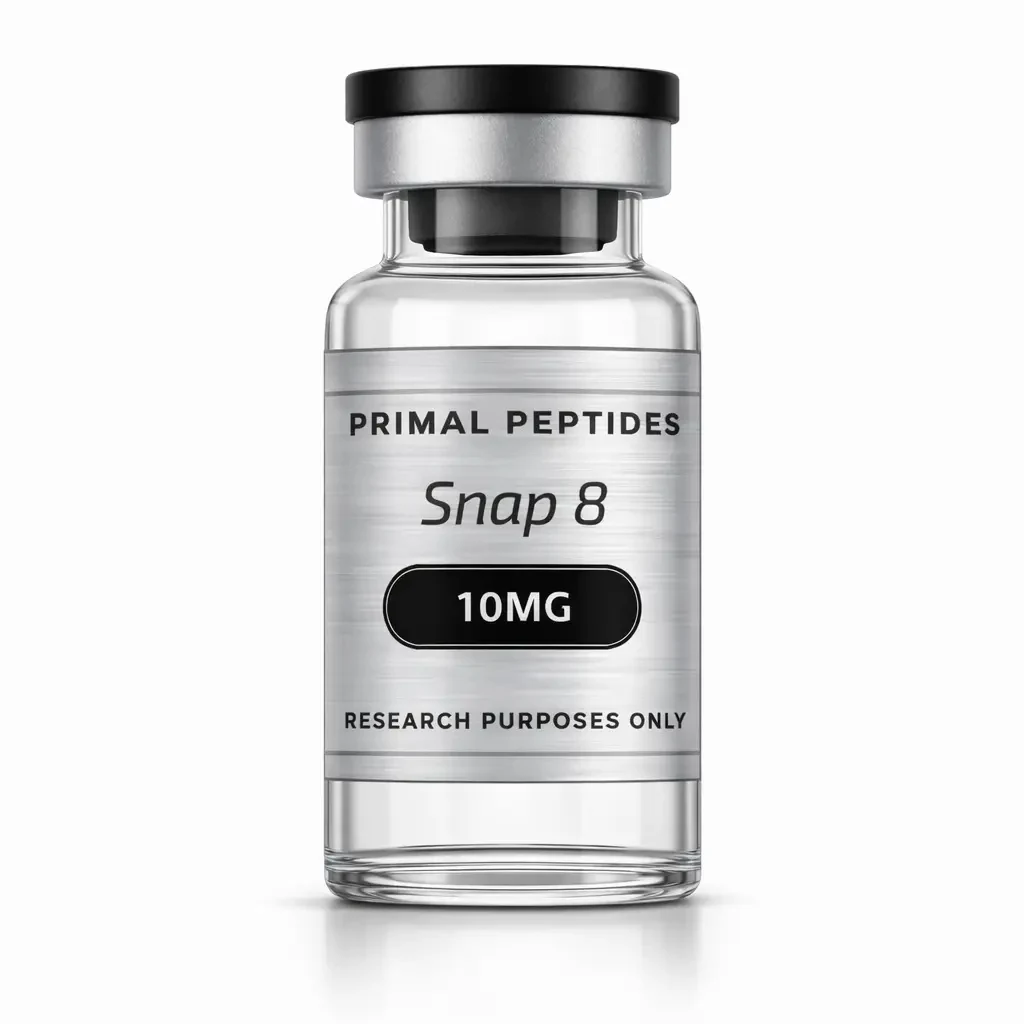
SNAP-8
SNAP-8 is a synthetic peptide fragment derived from the SNAP-25 protein involved in neurotransmitter release at neuromuscular junctions. It modulates the SNARE complex by interfering with the formation of SNARE proteins essential for synaptic vesicle fusion and neurotransmitter release. This inhibition reduces muscle contraction by lessening acetylcholine release, leading to decreased facial muscle movement and reducing expression wrinkles. Hence, it produces a mild muscle-relaxing effect similar to botulinum toxin but less potent.
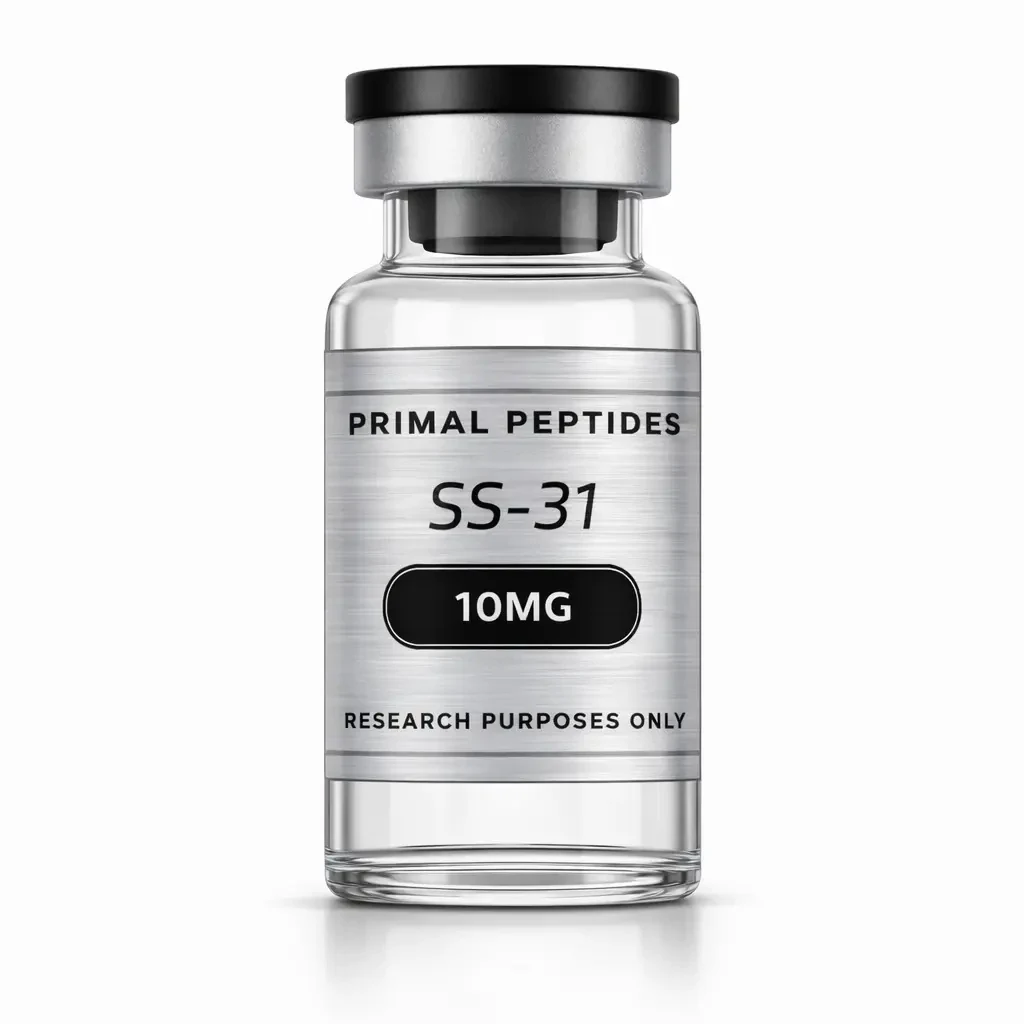
SS-31
SS-31 is a mitochondria-targeted tetrapeptide that selectively binds to cardiolipin, a unique phospholipid located on the inner mitochondrial membrane. This binding stabilizes mitochondrial membranes, prevents oxidative damage by reducing reactive oxygen species (ROS), preserves mitochondrial bioenergetics, and enhances ATP production. By protecting mitochondrial structure and function under oxidative stress conditions, SS-31 improves cellular energy metabolism and survival.
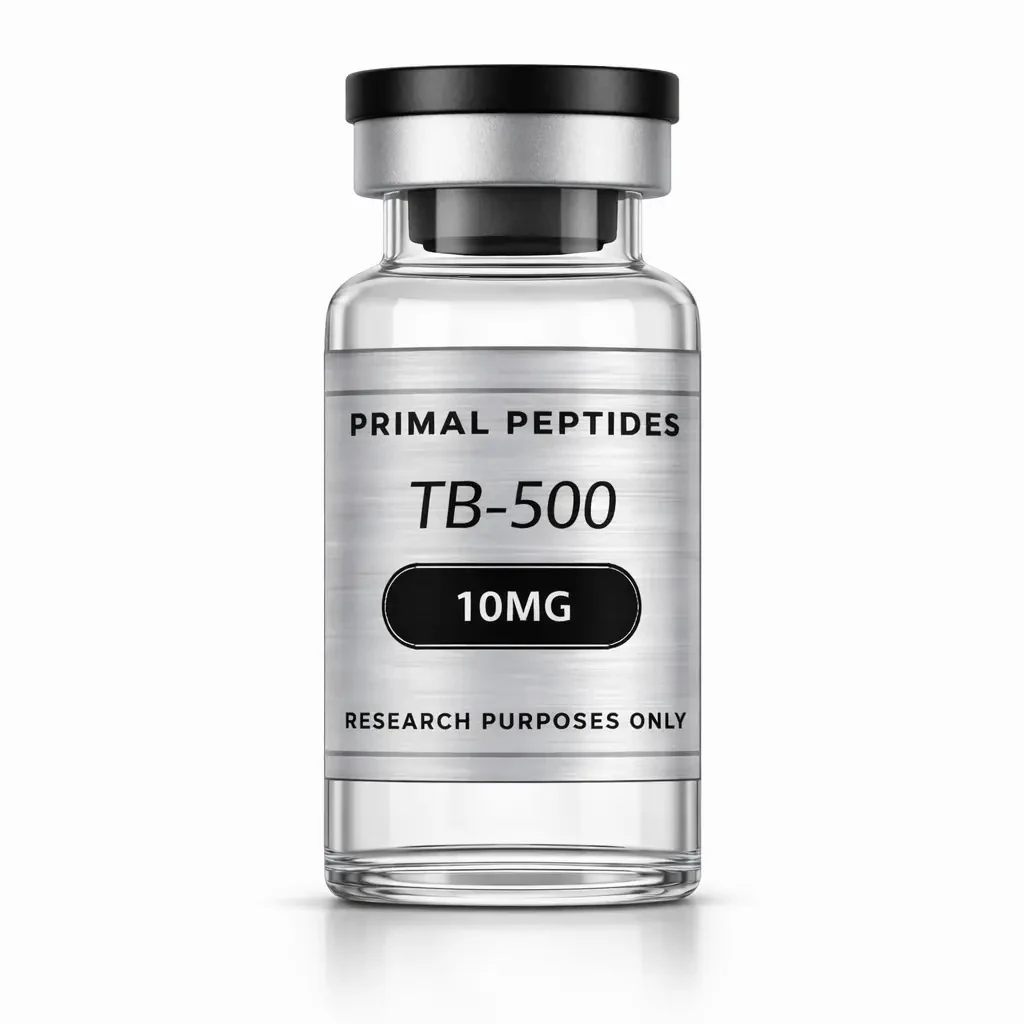
TB-500
TB-500, a synthetic version of Thymosin Beta-4, works by promoting cell migration, angiogenesis, and tissue repair. It binds to actin, regulating the cytoskeleton and enhancing cell motility, which facilitates wound healing and regeneration of damaged tissues.

Tesamorelin
Tesamorelin is a synthetic analogue of growth hormone-releasing hormone (GHRH) modified at the N- and C- termini to enhance stability and resistance to enzymatic degradation. It acts by binding to GHRH receptors on somatotrophs in the anterior pituitary gland, stimulating adenylate cyclase activity which converts ATP to cyclic AMP (cAMP). Elevated cAMP activates protein kinase A (PKA), leading to phosphorylation cascades that stimulate secretion of endogenous growth hormone (hGH). Elevated GH then promotes production of insulin-like growth factor-1 (IGF-1) primarily from hepatocytes and locally in tissues, modulating anabolic, lipolytic, and growth-promoting effects. Tesamorelin increases overall GH secretion (AUC increase ~69%) and IGF-1 levels (~122%) without significantly affecting GH pulse frequency or peak.
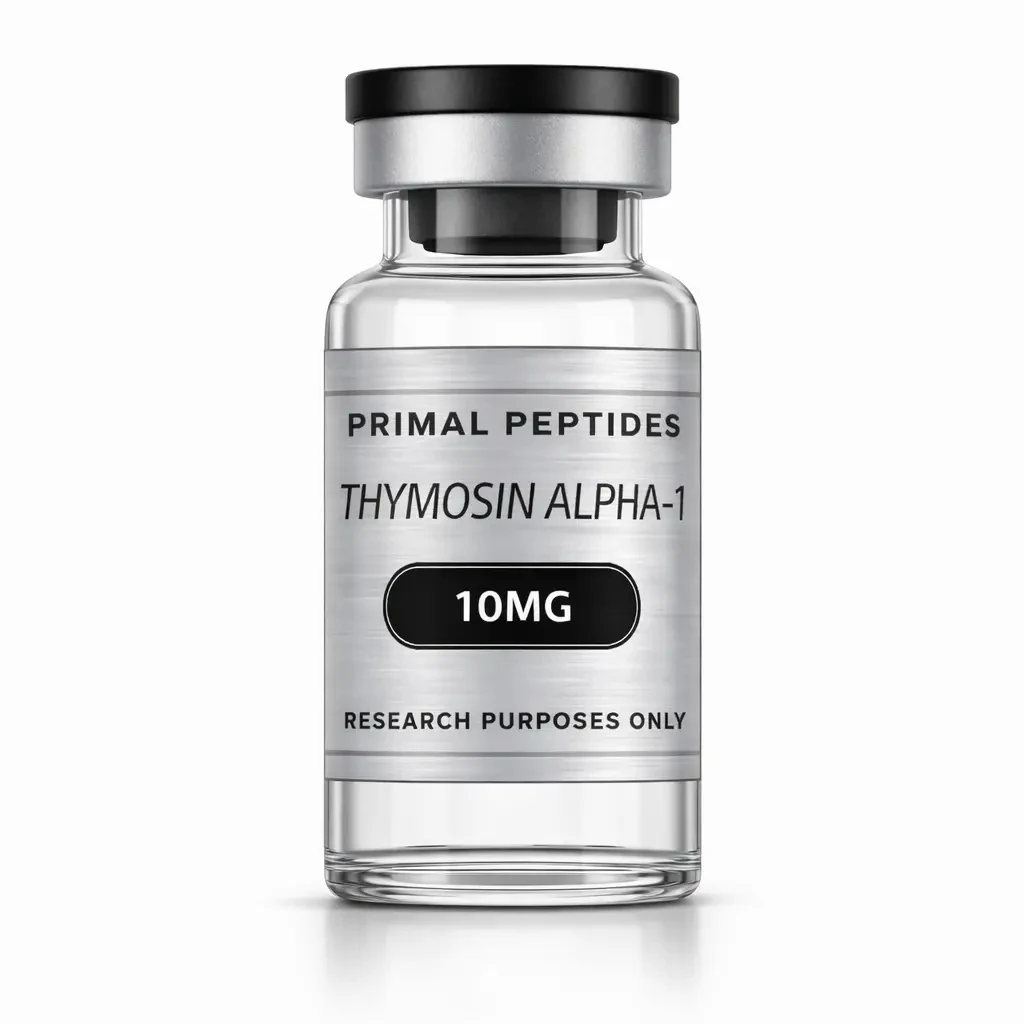
Thymosin Alpha-1
Thymosin Alpha-1 modulates the immune system primarily through the activation and regulation of T lymphocytes and other immune cells. It promotes T-cell differentiation and maturation, enhances dendritic cell function, and stimulates the production of cytokines and interferons, thereby improving immune surveillance, antiviral responses, and inflammatory control. This peptide helps restore immune homeostasis and enhances the body's ability to fight infections and regulate inflammatory processes.
Tirzepatide
Tirzepatide is a synthetic 39-amino acid peptide functioning as a dual agonist at both the GIP receptor and the GLP-1 receptor. GIP receptor activation contributes adipose tissue lipolysis, improved insulin secretion sensitivity, and tolerability at efficacy doses. GLP-1 receptor activation drives appetite suppression, delayed gastric emptying, and incremental insulin release. The dual pathway synergy drives superior weight loss versus pure GLP-1 agonists.
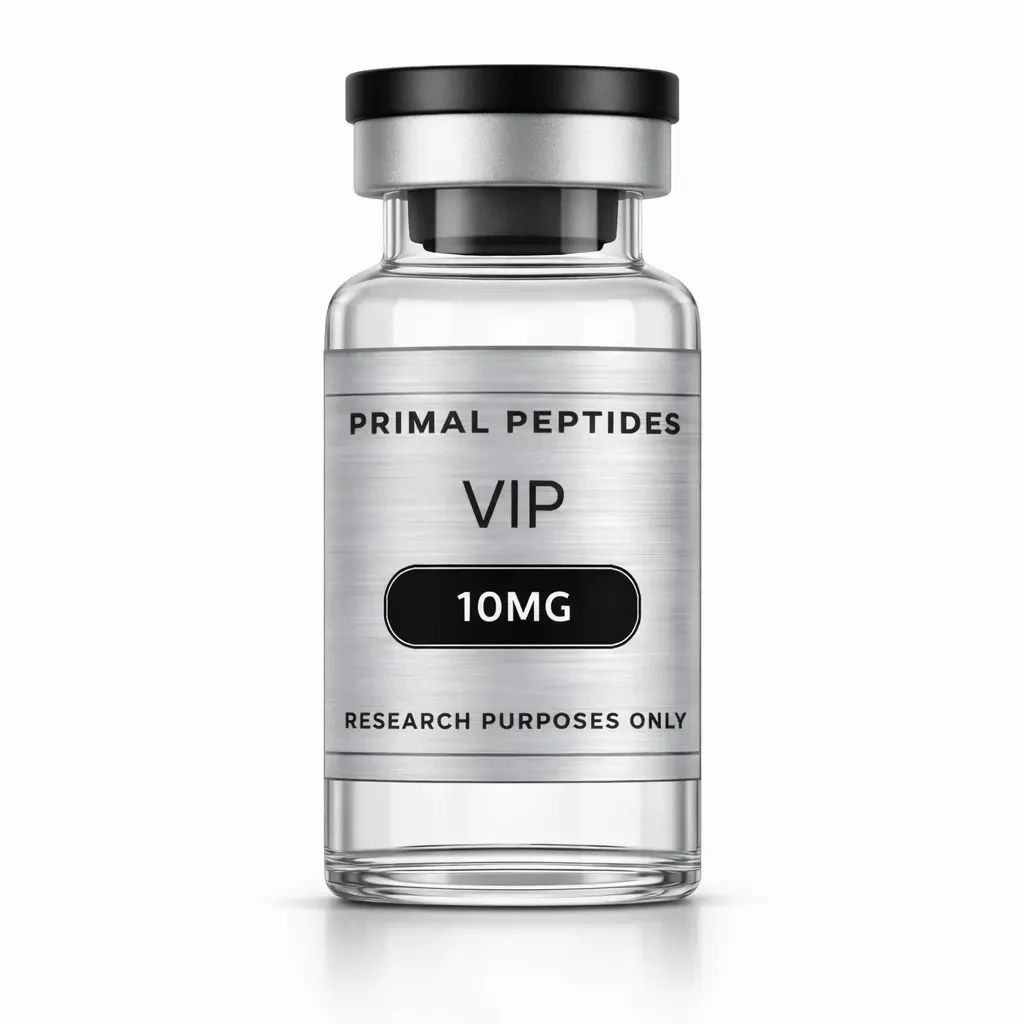
Vasoactive Intestinal Peptide
VIP exerts its effects primarily by binding to G-protein coupled receptors VPAC1 and VPAC2 found in various tissues. This binding activates intracellular signaling cascades, leading to increased levels of cyclic AMP which modulate immune responses by decreasing pro-inflammatory cytokine production and enhancing anti-inflammatory cytokines. It also mediates vasodilation by relaxing vascular smooth muscle and promotes neuroprotection by modulating neuronal signaling and reducing oxidative stress.
VIP
VIP acts by binding to G protein-coupled receptors VPAC1 and VPAC2 on various tissues, triggering intracellular cAMP accumulation which modulates multiple signal transduction pathways. This results in suppression of pro-inflammatory cytokines, vasodilatation through smooth muscle relaxation, neuroprotection, and immunomodulation by altering immune cell activity and cytokine profiles.
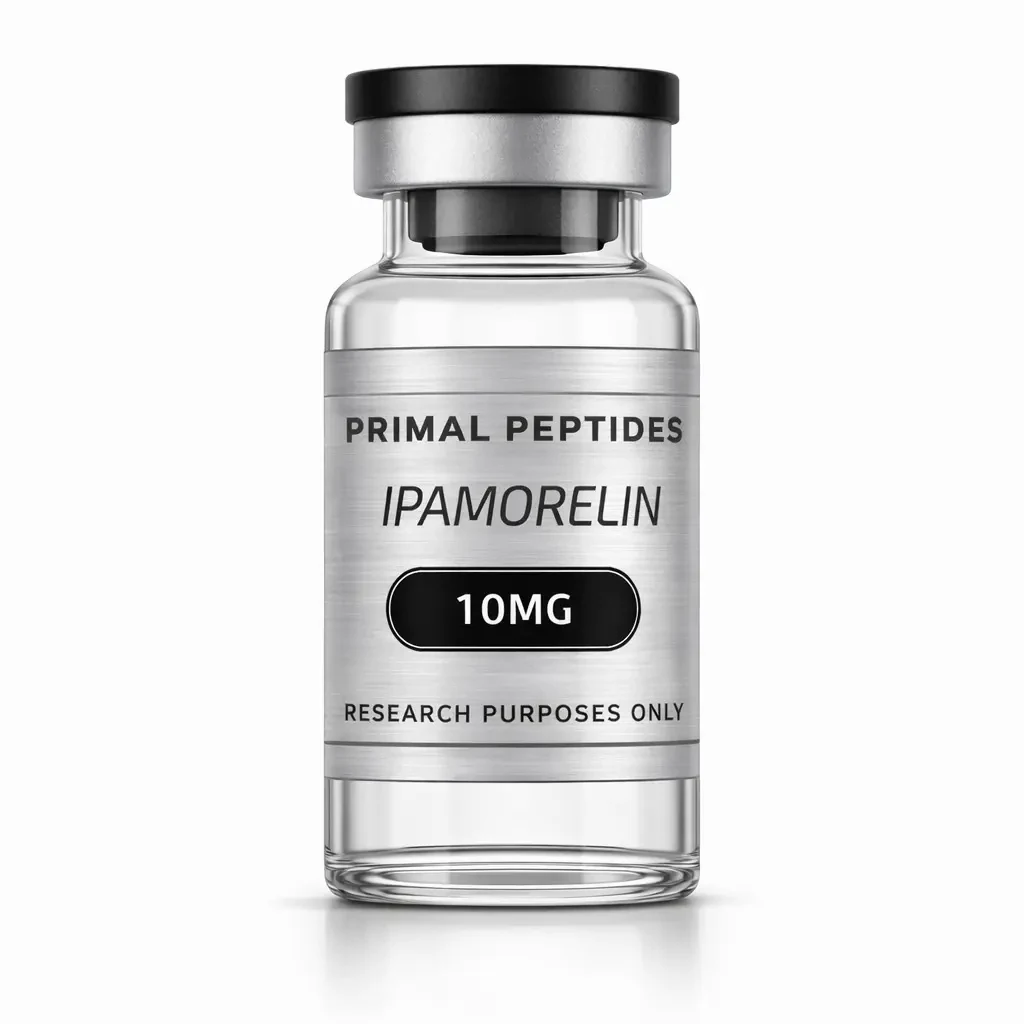
Ipamorelin
Ipamorelin is a selective growth hormone secretagogue and ghrelin receptor agonist. It stimulates pulsatile GH release from the pituitary without significantly raising cortisol or prolactin.
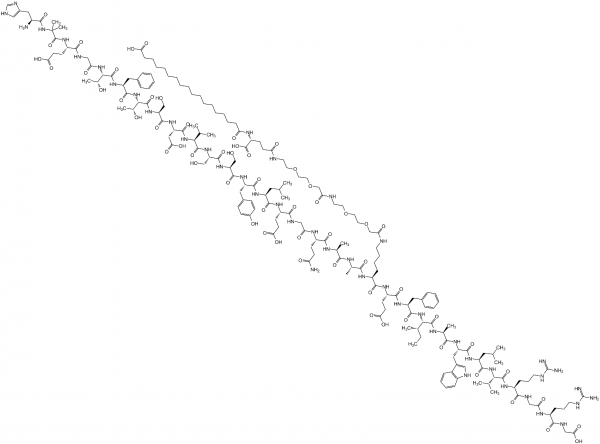
Semaglutide
Semaglutide is a GLP-1 receptor agonist that mimics the incretin hormone GLP-1, stimulating insulin secretion, suppressing glucagon, slowing gastric emptying, and reducing appetite.

Sermorelin
Sermorelin is a synthetic analogue of the first 29 amino acids of endogenous GHRH. It stimulates the pituitary gland to produce and secrete growth hormone naturally.
Molecular Clarity
Deep dive into peptide sequences and chemical properties with high-fidelity structural data.
Comparative Analytics
Side-by-side efficacy comparisons based on aggregated clinical study outcomes.
Verified Sources
Every data point is cross-referenced with peer-reviewed literature and laboratory reports.
Decide with
absolute confidence.
Our proprietary comparison tray allows you to stack peptides and evaluate dosage, stability, and metabolic pathways instantly.
BPC-157
Healing/Repair
Tirzepatide
Metabolic
Browse Every Peptide.
Every research profile in the library, alphabetised. Mechanism, dosing, half-life, and primary-source citations on each page.
- 5-Amino-1MQ
- ACE-031
- Adamax
- AHK-Cu
- AICAR
- AOD-9604
- ARA-290
- BPC-157
- BPC-157 & TB-500
- BPC-157/TB-500/GHK-Cu Blend
- BPC-157/TB-500/GHK-Cu/KPV
- BPC-157/TB-500/GHK-Cu/KPV Blend
- BPC-157/TB-500/GHK-Cu/KPV Blend
- BTG Blend (BPC-157, TB-500, GHK-Cu)
- BTG-K Blend
- CJC-1295 (No DAC)
- CJC-1295 (No DAC) + Ipamorelin
- CJC-1295 without DAC + Ipamorelin
- Delta Sleep-Inducing Peptide
- Dihexa
- DSIP
- Epitalon
- Follistatin 344
- Fragment 176-191
- GHK-Cu
- GHRP-6
- GLOW Peptide Blend
- Glutathione
- IGF-1 LR3
- Insulin
- Insuline (Insulin)
- Insuline Pen Naalden
- Insuline Pen Naalden 4mm
- Insuline spuit 0,5 ml met fijne naald (0,30 x 8 mm)
- Insulinepen vial
- Insulinepen vial 3ml
- Insulinespuit 0,5ml met fijne naald
- Insulinsyringe (U100-type, 0.5ml with 0.30 x 8mm needle)
- Ipamorelin
- Kisspeptin
- KPV
- LL-37
- Melanotan II
- Methylene Blue
- MOTS-c
- NAD+
- Not applicable
- Pinealon
- PPAP
- Retatrutide
- Selank
- Semaglutide
- Semax
- Semax / Selank
- Semax/Selank
- Sermorelin
- SLU-PP-332
- SNAP-8
- SS-31
- TB-500
- Tesamorelin
- Thymosin Alpha-1
- Tirzepatide
- Vasoactive Intestinal Peptide
- VIP